What to Do in Sebatu Village
Sebatu Village is a traditional rural village located in the Tegallalang area of Gianyar, Bali. The village is known for its calm atmosphere, strong cultural traditions, and natural surroundings consisting of rice fields, forests, and sacred water sources. Compared to more commercialized destinations in Bali, Sebatu maintains a slower pace of life that is closely connected to religious practices and daily community activities.
Sebatu is not designed for high-energy tourism. Instead, it offers simple and meaningful experiences related to Balinese spirituality, village life, and interaction with nature. Below are several things visitors can do while spending time in Sebatu Village.
Visit Two Well-Known Purification Sites in Sebatu Village
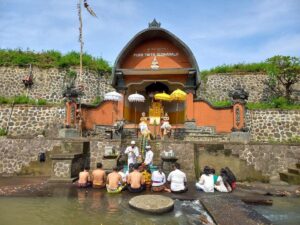
Sebatu Village is known for its sacred water sources that are used for melukat, a traditional Balinese purification ritual. These purification practices are an important part of religious life in the village and continue to be used by the local community.
Pura Gunung Kawi Sebatu
Pura Gunung Kawi Sebatu is a pura tirta (holy water temple) where purification rituals are regularly performed. The temple uses natural spring water that flows through several water spouts within the temple complex. In addition to functioning as a place of worship, the temple serves as a site for spiritual cleansing through melukat.
Visitors may observe or take part in the ritual by following temple rules, wearing appropriate attire such as a sarong and sash, and respecting ongoing religious activities. The temple environment reflects its religious purpose through traditional Balinese architecture and a calm, sacred atmosphere.
Penglukatan Dalem Pingit Sebatu
Penglukatan Dalem Pingit Sebatu, also known as Sebatu Holy Water, is another purification site located within a natural setting in the village area. The melukat ritual here involves prayer, offerings, and bathing in natural spring water.
Dalem Pingit is considered a sacred place and is primarily used for religious purposes. Visitors are expected to behave respectfully, follow guidance from local caretakers, and maintain appropriate conduct while visiting the site.


Walk Through Sebatu Village and Rice Fields
Walking through Sebatu Village is one of the best ways to understand its character. Small village roads and footpaths connect residential areas, temples, and rice fields.
Rice farming remains an important part of village life. Depending on the season, visitors may see different stages of rice cultivation. Along the way, it is common to observe daily activities such as farming, preparing offerings, or maintaining temples, offering insight into how culture and religion are integrated into everyday life.
Learn About Local Traditions and Community Life
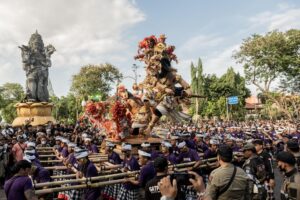
Sebatu Village maintains strong social and cultural structures that shape daily activities and religious practices. Traditions are preserved through regular ceremonies, temple activities, and communal responsibilities.
Visitors may encounter small religious preparations or ceremonies taking place in family temples or communal spaces. Community cooperation, locally known as gotong royong, plays an important role in maintaining temples, organizing ceremonies, and supporting harmony within the village.
Enjoy the Natural Environment of Sebatu
Sebatu Village is surrounded by forests, agricultural land, and natural water sources that contribute to its peaceful atmosphere. The environment supports quiet activities such as nature observation, photography, and relaxation.
Many visitors come to Sebatu to enjoy its calm surroundings, spend time outdoors, and experience a slower pace of life away from busy tourist areas.
Best Time to Visit Sebatu Village
The best time to visit Sebatu Village is during the dry season, which generally runs from April to October. During this period, weather conditions are more suitable for walking around the village, visiting temples, and participating in outdoor activities.
For daily visits, early morning and late afternoon are recommended. These times offer cooler temperatures and a quieter atmosphere, allowing visitors to experience village life and religious activities in a more comfortable and respectful way.

Where to Stay and Relax in Sebatu Village
Sebatu Village offers a calm and culturally rich experience centered on spirituality, nature, and daily village life. Activities such as experiencing purification rituals at sacred water sites, walking through rice fields, and observing local traditions allow visitors to gain a deeper understanding of this traditional Balinese village.
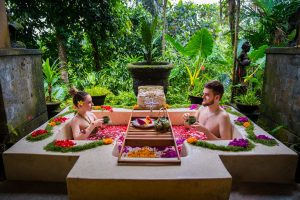
If you visit Sebatu Village and plan to stay in the area, you may choose to stay at Puri Gangga Resort, enjoy meals at Kailasha Restaurant, and relax with spa treatments at Dewi Gangga Spa, all located within Sebatu Village and suitable for visitors seeking a quiet and comfortable stay.
Contact Puri Gangga Resort
Phone: +62 361 902222
Mobile: +62 822 9890 2222