The Real Impact of Nyepi: Less Energy, More Awareness
For one day each year, Bali does something extraordinary—it stops. No traffic hums through the streets, no planes cross the sky, and even lights are dimmed across the island. Known as Nyepi, the Balinese Day of Silence, this pause reveals something powerful: when energy use decreases, awareness naturally rises.
For travelers seeking more than a typical escape, the “Nyepi effect” offers a rare alignment between environmental consciousness and inner stillness. It is not imposed—it unfolds quietly, inviting reflection in a way that feels both personal and universal.
Less Energy: The Environmental Impact of Nyepi
Nyepi creates a measurable environmental shift across Bali. For 24 hours, the island significantly reduces its energy consumption—something rarely achieved on such a scale anywhere in the world.
Key environmental effects include:
- Minimal electricity usage due to reduced lighting and activity
- Zero air traffic, as the airport closes entirely
- No vehicle emissions, with roads left empty
- Reduced noise pollution, allowing ecosystems to settle
The result is immediate and visible. The night sky becomes intensely clear, free from light pollution. Air feels cleaner. Even wildlife appears more active in the absence of human disruption.
While the reduction lasts only a day, it offers a compelling glimpse into what conscious energy use could look like on a broader scale.
According to insights from Green Network Asia, beyond what is visible, the impact of Nyepi can also be measured in numbers. On a typical day, Bali consumes around 21,121 MWh of electricity, yet during Nyepi this drops to approximately 13,427 MWh—representing an energy saving of nearly 60% in just 24 hours. This reduction equals around 290 megawatts of electricity saved and translates into roughly IDR 4 billion in energy cost savings. Fuel consumption also declines significantly, with an estimated IDR 12 billion saved in fuel subsidies, while LPG usage drops by up to 50%. In environmental terms, this single day contributes to a reduction of over 20,000 tons of CO₂ emissions, offering a measurable snapshot of what large-scale energy restraint can achieve.

More Awareness: The Inner Shift
When external activity stops, internal awareness begins to expand.
Nyepi removes the constant stimuli of modern life—screens, noise, movement—and replaces them with stillness. This shift can feel unfamiliar at first, yet it quickly becomes grounding.
Many experience:
- A heightened sense of presence
- Deeper emotional clarity
- A natural slowing of thoughts
- A stronger connection to surroundings
Without the need to “do,” there is space to simply “be.” This is where the real impact of Nyepi reveals itself—not as restriction, but as release.
Nyepi as a Natural Digital Detox
In an age of constant connectivity, Nyepi functions as a collective digital detox.
With limited internet use and no external entertainment, attention shifts inward. Activities become slower, more intentional:
- Journaling by natural light
- Practicing gentle yoga or meditation
- Reading without distraction
- Observing the subtle rhythms of nature
Unlike structured detox programs, Nyepi does not prescribe what to do. It simply creates the conditions for awareness to emerge.
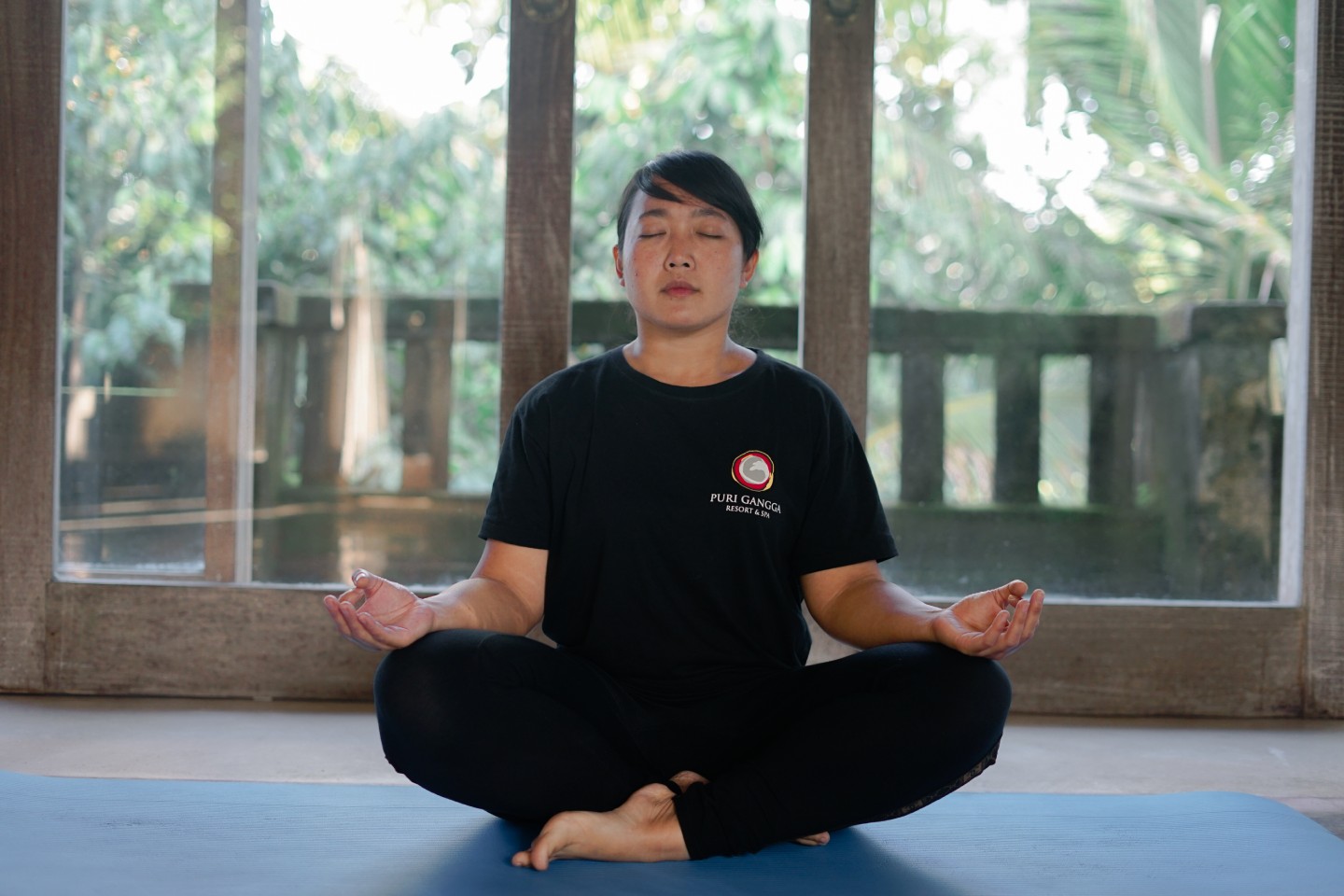
Cultural Insight: Why Silence Matters in Bali
Nyepi is rooted in Balinese Hindu philosophy, where balance between opposing forces is essential to harmony.
The silence is intentional. It serves to:
- Cleanse negative energy from the island
- Restore equilibrium between humans and nature
- Encourage self-reflection and spiritual awareness
The day before Nyepi, vibrant Ogoh-Ogoh processions symbolically release chaos and negativity. What follows is not emptiness, but renewal.
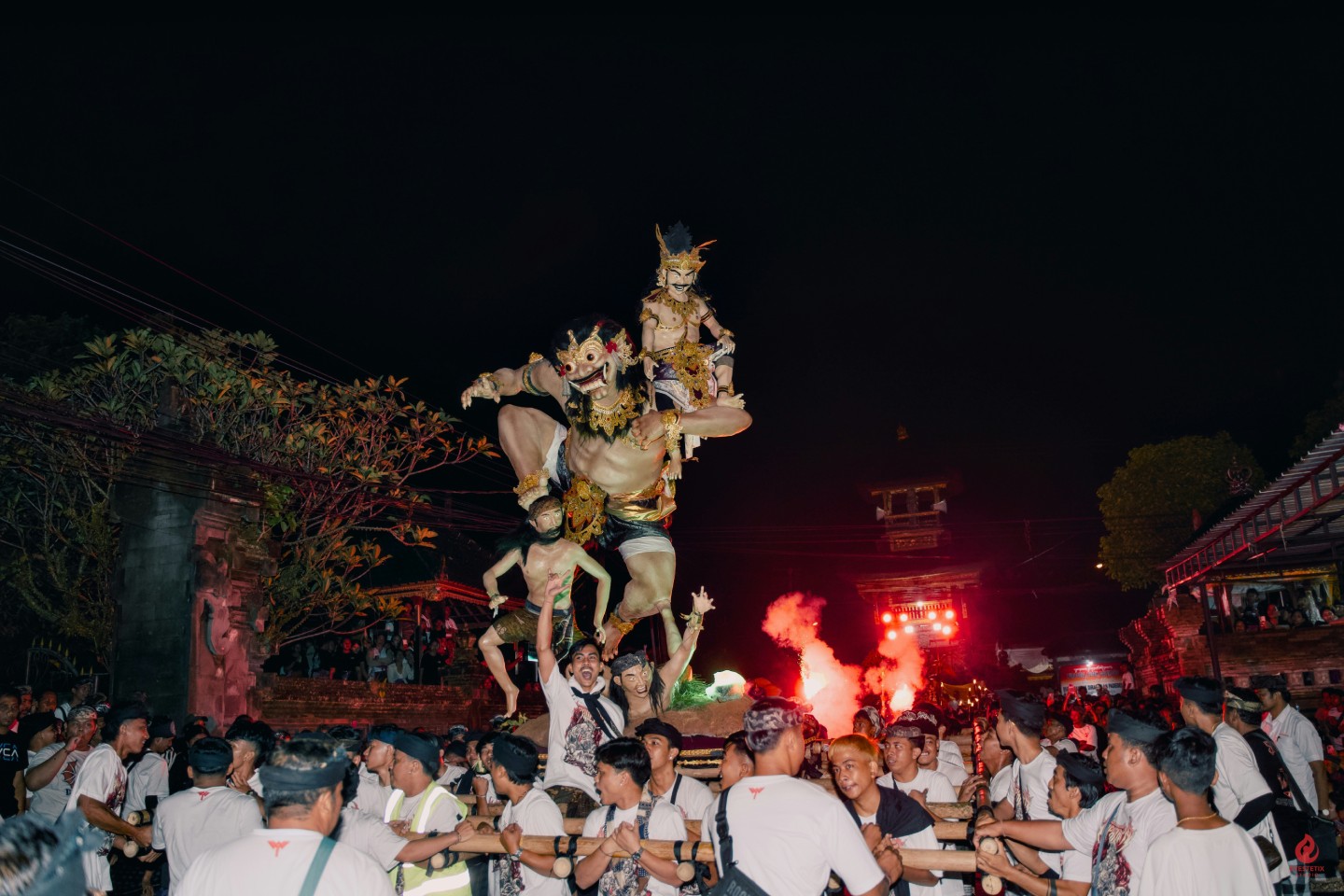
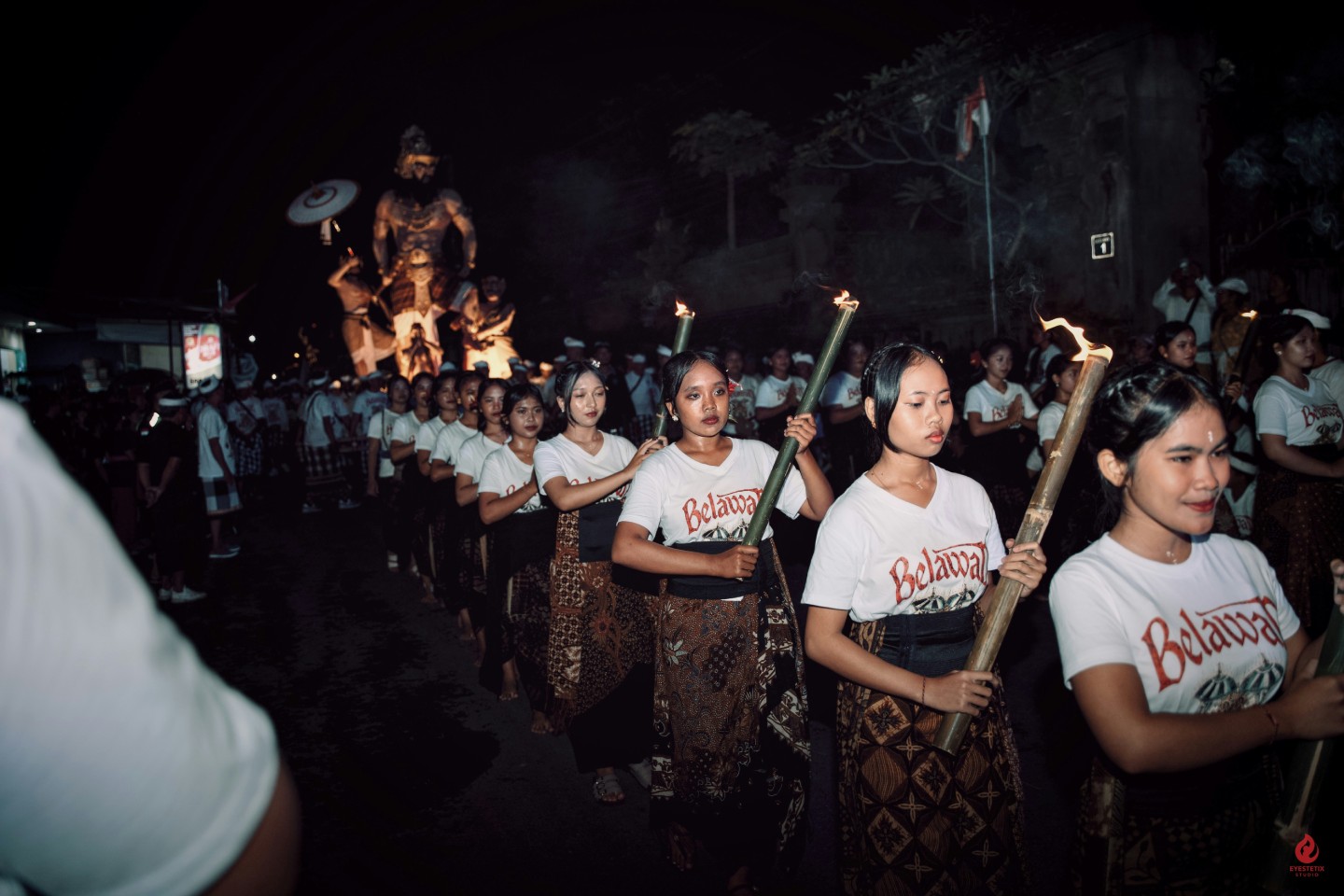
In villages like Sebatu, this philosophy is deeply felt. The rituals are not performed for visitors—they are lived expressions of a worldview where stillness is as important as activity.
Why Ubud and Sebatu Deepen the Experience
Experiencing Nyepi in Ubud, particularly in quieter areas like Sebatu, brings a deeper dimension to the day.
Away from busier tourist zones, the silence feels more expansive. Surrounded by rice fields and forest, the absence of sound becomes almost tangible.
Here, Nyepi is not just observed—it is absorbed:
- The darkness at night reveals a sky filled with stars
- Morning arrives gently, without interruption
- Nature becomes the dominant presence
This environment allows both the environmental and emotional impact of Nyepi to fully unfold.
Practical Travel Tips for Nyepi
- Plan Ahead: Arrive at least a day before Nyepi, as transportation stops
- Prepare Mindfully: Bring books, offline music, or a journal
- Embrace Simplicity: Avoid over-scheduling the day
- Respect the Silence: Keep noise and lighting minimal
Stay Open: The experience may feel unfamiliar, but that is part of its value
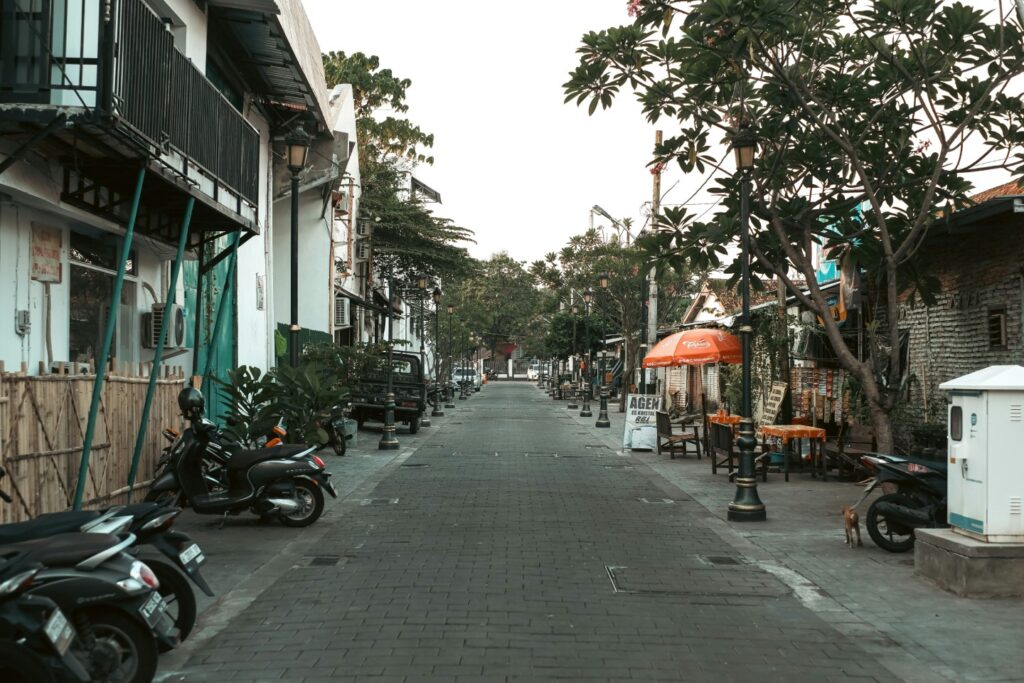
Experience Puri Gangga Resort
Nyepi at Puri Gangga Resort in Sebatu, Ubud offers a rare alignment between outer quiet and inner awareness.
Set within a traditional village landscape, the resort naturally follows the rhythm of Nyepi. The stillness is uninterrupted, allowing guests to fully experience the shift from activity to presence.
At Dewi Gangga Spa, treatments during this time are deeply grounding, encouraging a gentle release of tension. The experience feels less like a service and more like a ritual—slow, attentive, and restorative.
Through the Sebatu Village Life experience, guests gain insight into the meaning behind Nyepi, understanding how silence is woven into daily life and spiritual practice.
Meals at Kailasha Restaurant are served with quiet intention, while moments spent with Gangga Coffee become opportunities to pause and reflect.
Before and after Nyepi, Gangga Experience offers curated activities that balance exploration with mindfulness, creating a more complete journey.
If you are drawn to experience Nyepi in a setting that honors both its cultural depth and its wellness benefits, you may contact reservation@puriganggaresort.com or explore availability at https://puriganggaresort.com/book. For curated experiences, visit https://booking.puriganggaresort.com.
What makes Nyepi truly powerful is not just its symbolism, but its proof. In a world constantly driven by consumption and acceleration, Bali demonstrates that even a single day of intentional stillness can lead to tangible environmental and human transformation. The measurable reductions in energy, fuel, and emissions reveal something deeper: sustainability does not always begin with complexity, but with awareness. And in that silence, Nyepi offers a quiet reminder that sometimes, the most meaningful progress starts when everything else stops.
Frequently Asked Questions
What is the environmental impact of Nyepi?
Nyepi significantly reduces energy consumption, air pollution, and noise across Bali for 24 hours, offering a rare environmental reset.
Why is Nyepi important for mindfulness?
The enforced silence and stillness remove distractions, allowing for deeper awareness, reflection, and mental clarity.
Can tourists experience the benefits of Nyepi?
Yes, by participating respectfully, travelers can enjoy both the environmental calm and the personal introspection the day offers.
Is Nyepi similar to a wellness retreat?
In many ways, yes. Nyepi naturally creates conditions similar to a retreat—silence, stillness, and space for reflection—without a structured program.
Where is the best place to experience Nyepi in Bali?
Ubud and nearby villages like Sebatu offer a more peaceful and culturally rich environment, enhancing the overall experience.
Discover More Stories