Pura Gunung Kawi Sebatu Temple: A Peaceful Holy Spring in Bali for Relaxation and Spiritual Cleansing
Tucked away in the tranquil village of Sebatu, just north of Ubud, Gunung Kawi Sebatu Temple offers a quieter, more contemplative alternative to Bali’s more visited temples.
If you’re seeking a place where spiritual cleansing meets stillness, this sacred water temple invites you to slow down—gently, naturally, and without distraction.
A Sacred Sanctuary Rooted in Serenity

Unlike the more bustling purification sites in Bali, Gunung Kawi Sebatu is defined by its calm atmosphere. The temple dates back to the 11th century and is dedicated to Vishnu, symbolizing life, purification, and renewal.
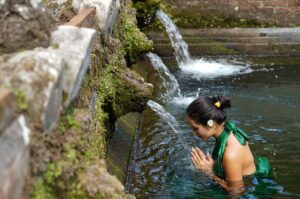
Here, crystal-clear spring water flows into serene pools surrounded by lush gardens, lotus ponds, and intricately carved stone shrines. Koi fish glide beneath the surface, adding to the meditative ambiance.
The entire setting feels curated for quiet reflection rather than ritual intensity.
Spiritual Cleansing in a More Intimate Setting
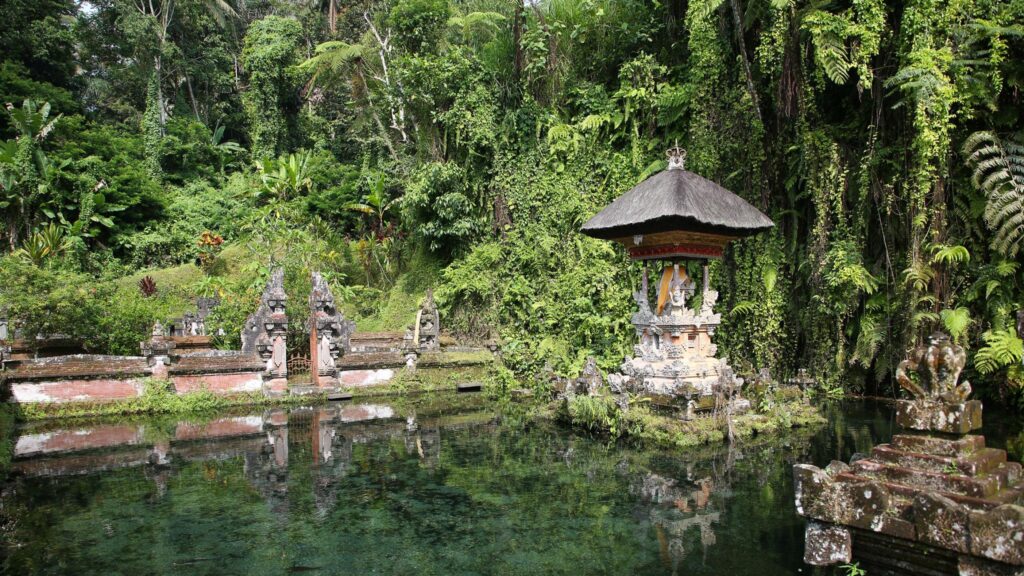
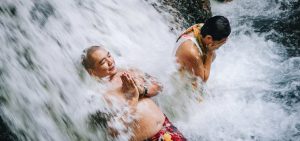
While not as widely known for formal melukat ceremonies as larger temples, Gunung Kawi Sebatu still offers a meaningful space for personal purification rituals.
Visitors can:
- Sit beside the water for meditation
- Make simple offerings
- Gently cleanse under selected fountains
- Reflect in a quieter, less crowded environment
The experience here feels more personal—less structured, yet deeply grounding. It’s ideal for travelers who prefer a softer introduction to Balinese spiritual practices.
How to Visit and What to Expect
Visiting Gunung Kawi Sebatu is straightforward, but its charm lies in taking your time.
What you should know:
- A sarong is required (provided at the entrance)
- The temple is typically less crowded than nearby sites
- Paths are well maintained and easy to walk
- There are fewer designated fountains, so observe before participating
- Respect silence—many visitors come for meditation
Unlike larger temples, there’s no rush here. You’re encouraged to linger, sit, and simply be present.
Cultural Insight: The Gentle Side of Balinese Spirituality
In Bali, not all spiritual experiences are ceremonial or grand. Some are quiet, almost invisible—like the act of sitting beside water and allowing your thoughts to settle.
Gunung Kawi Sebatu reflects this softer dimension of Balinese Hinduism. It’s a place where the philosophy of balance is experienced not through ritual alone, but through stillness.
The surrounding village life continues at its own rhythm, offering a glimpse into a more grounded, less commercial side of Ubud.
Why Stay in This Area
Sebatu is one of those rare places where Bali still feels deeply connected to its roots. Mornings are filled with birdsong, temple offerings, and mist rising over rice fields.
Staying nearby allows you to visit Gunung Kawi Sebatu early or return in the late afternoon, when the temple becomes even more peaceful.
It’s also an ideal base for exploring nearby sacred sites while avoiding the busier central Ubud atmosphere.
Practical Travel Tips
- Best time to visit: Early morning or just before sunset
- Location: Sebatu village, around 20–30 minutes from Ubud
- What to bring: Comfortable shoes, water, and a camera
- Dress code: Modest clothing; sarongs are provided
Combine your visit: Pair with a walk through local rice fields or nearby temples
Discover More Holy Springs in Bali
Gunung Kawi Sebatu Temple is one of Bali’s most peaceful holy spring temples, but it is only one of many sacred water sites across the island. If you’re planning a spiritual journey, explore our guide to 10 Holy Springs in Bali to discover other purification temples, hidden springs, and meaningful cultural experiences.
→ Read our guide: 10 Holy Springs in Bali
Frequently Asked Questions
Is Gunung Kawi Sebatu Temple worth visiting?
Yes, especially if you prefer a शांत, less crowded temple experience focused on relaxation and reflection.
Can you do a purification ritual at Gunung Kawi Sebatu?
Yes, though it is more informal compared to Tirta Empul. Visitors can participate quietly and respectfully.
What is the difference between Tirta Empul and Gunung Kawi Sebatu?
Tirta Empul is more structured and popular for melukat rituals, while Gunung Kawi Sebatu offers a quieter, more meditative atmosphere.
What should I wear to Gunung Kawi Sebatu Temple?
Modest attire is required, and sarongs are typically provided at the entrance.
When is the best time to visit Gunung Kawi Sebatu?
Early morning or late afternoon for the most peaceful and reflective experience.
Experience Puri Gangga Resort
Just moments away from the temple, Puri Gangga Resort in Sebatu, Ubud offers a natural extension of the calm you’ll find at Gunung Kawi Sebatu.
Here, the experience is shaped by stillness and connection. After a morning of quiet reflection at the temple, you might return to unwind at Dewi Gangga Spa, where treatments are designed to restore both physical and emotional balance.
For a deeper cultural immersion, the Sebatu Village Life experience invites you into the daily rhythms of the local community—offering insight into rituals, traditions, and ways of living that remain beautifully unchanged.
Dining at Kailasha Restaurant complements this sense of harmony, with dishes inspired by local ingredients and seasonal flavors.
For those who wish to explore further, the Gangga Experience curates meaningful journeys through Bali’s spiritual and cultural landscapes—including visits to nearby temples like Gunung Kawi Sebatu.
To plan your stay or discover available experiences:
- Contact: reservation@puriganggaresort.com
- Booking: https://puriganggaresort.com/book
- Experiences: https://booking.puriganggaresort.com
Discover More Stories