Neka Art Museum Ubud: A Journey Through Balinese Art and Culture
In the cultural heart of Ubud, where art is woven into daily life, the Neka Art Museum stands as a quiet yet profound tribute to Bali’s artistic legacy.
For travelers drawn to culture, history, and creative expression, this museum offers more than just a collection of paintings—it provides a deeper understanding of how Bali sees the world, through color, symbolism, and spiritual connection.
Exploring the Neka Art Museum Collection
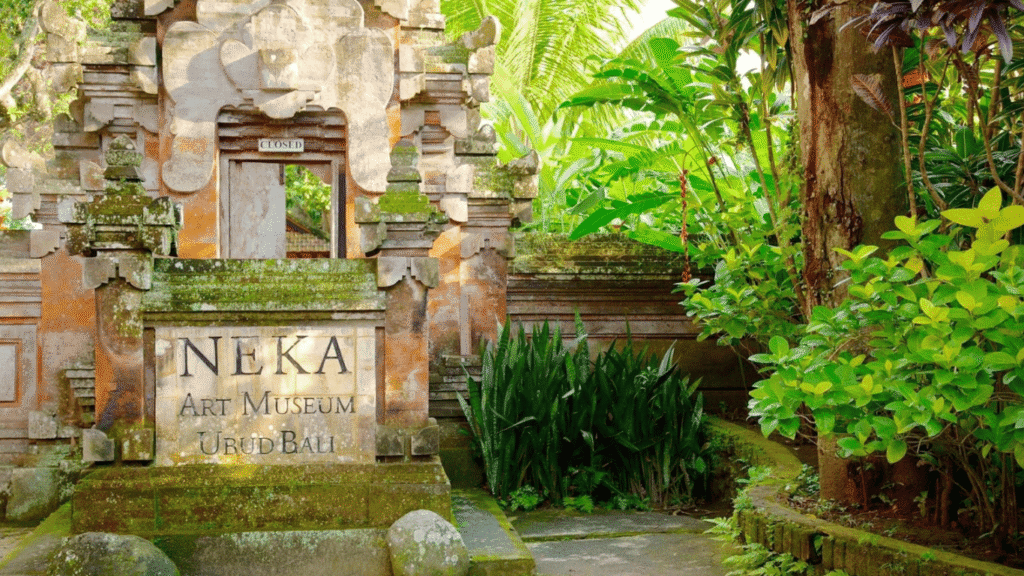
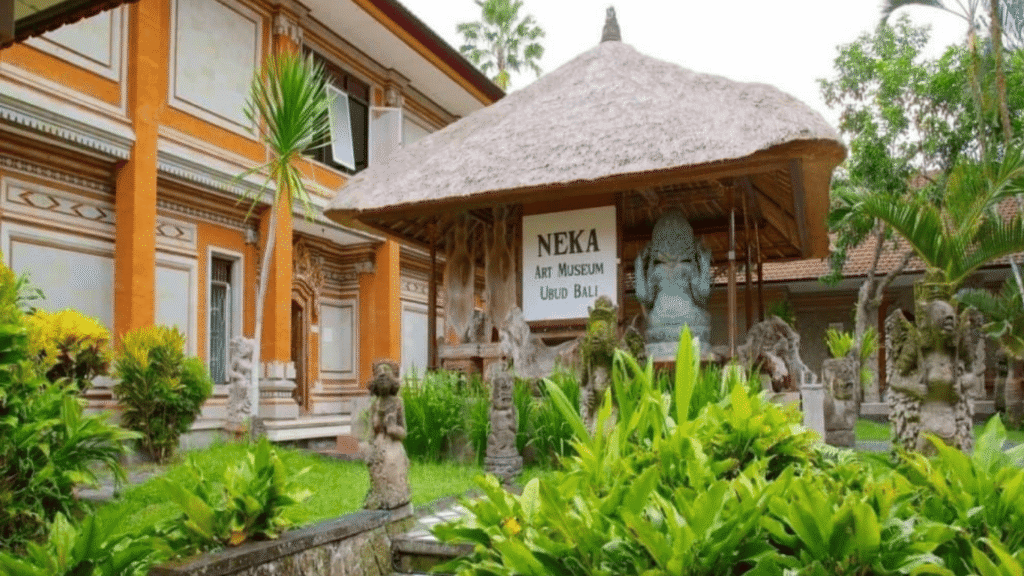
Founded by Balinese art patron Suteja Neka, the museum was created to preserve and celebrate the island’s evolving artistic traditions.
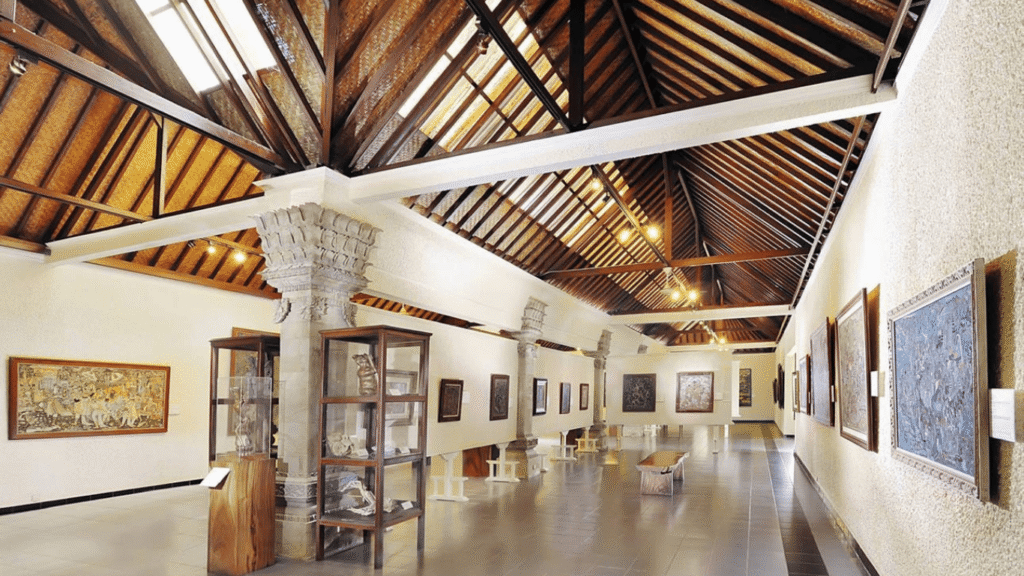
The collection is spread across several open-air pavilions, each dedicated to different styles and eras:
- Traditional Balinese Art – Rich in mythology and religious symbolism
- Young Artist Style – Vibrant, playful depictions of rural life
- Modern Indonesian Works – A broader national perspective
- Arie Smit Pavilion – Showcasing the joyful, color-saturated works of Arie Smit
Walking through the museum feels like moving through time—from ancient storytelling traditions to contemporary interpretations of identity and landscape.
Understanding Balinese Art and Its Meaning
Balinese art is deeply spiritual. Historically, paintings were not created for galleries, but for temples and ceremonies.
You’ll notice recurring themes:
- Epic narratives from Hindu texts like the Ramayana
- Nature and harmony, reflecting the Balinese philosophy of balance
- Daily life, depicted with intricate detail and rhythm
At the Neka Art Museum, these themes are not just displayed—they are contextualized, helping visitors appreciate the cultural depth behind each piece.
A Cultural Experience Beyond the Canvas
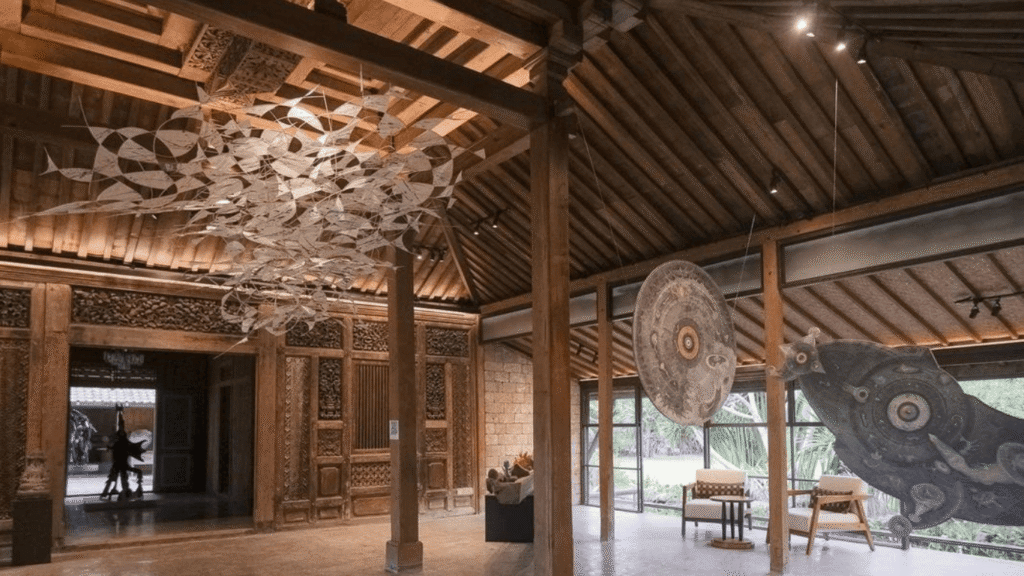
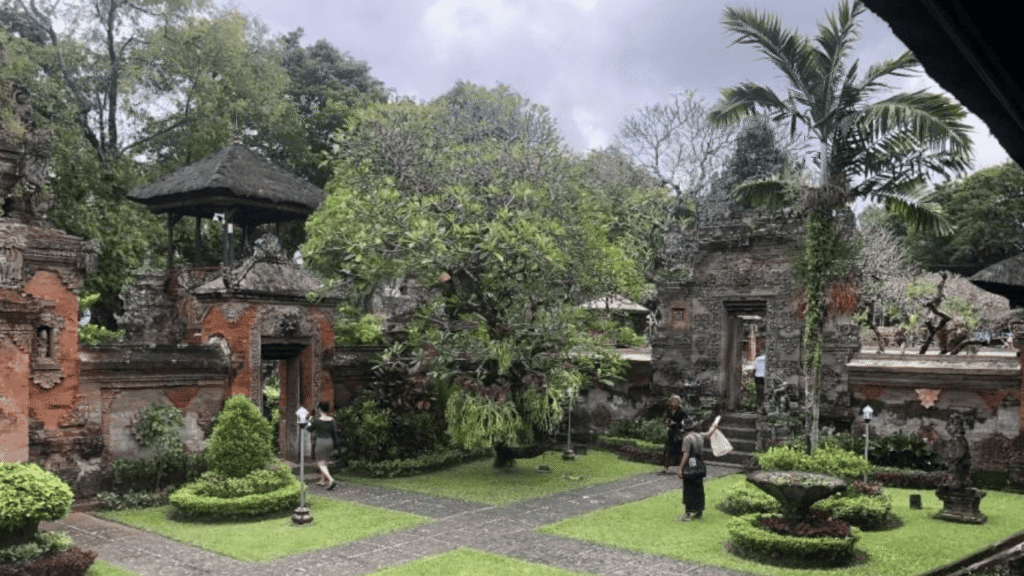
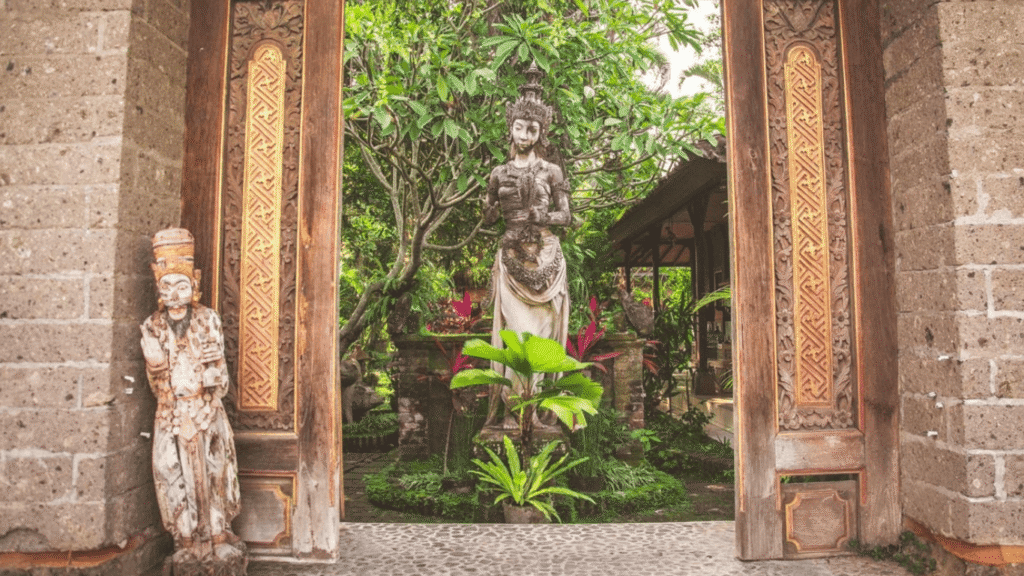
Unlike conventional museums, Neka Art Museum is designed as a sensory experience. Open-air walkways, tropical gardens, and traditional architecture create a natural flow between spaces.
This setting encourages slow exploration. There’s no rush—just the gentle invitation to observe, reflect, and connect.
It’s an ideal contrast to Ubud’s busier attractions, offering a moment of calm within a rich cultural setting.
Why Stay in Sebatu, Ubud
While the museum sits near central Ubud, staying slightly further north reveals a more tranquil side of the region.
In Sebatu, life moves at a gentler pace. Rice fields stretch endlessly, ceremonies unfold quietly, and the connection to tradition feels more immediate.
Puri Gangga Resort in Sebatu, Ubud offers a refined base for those wanting to explore cultural landmarks like Neka Art Museum while returning to a setting of calm and authenticity.
From here, a visit to the museum becomes part of a broader cultural journey rather than a standalone stop.
Practical Travel Tips
- Opening Hours: Typically 9:00 AM – 5:00 PM
- Best Time to Visit: Morning or late afternoon for a quieter experience
- Entrance Fee: Affordable, supporting local art preservation
- Getting There: About 10–15 minutes from central Ubud
- Combine With: Visit nearby galleries or the Campuhan Ridge Walk
Experience Puri Gangga Resort
For travelers inspired by art and culture, the journey doesn’t end at the museum—it deepens through where you choose to stay.
At Puri Gangga Resort in Sebatu, Ubud, culture is not presented—it is lived. Through immersive experiences like Sebatu Village Life, guests gain insight into daily rituals, craftsmanship, and the philosophy that shapes Balinese identity.
Moments of reflection continue at Dewi Gangga Spa, where treatments are grounded in traditional healing practices. Dining at Kailasha Restaurant introduces regional flavors with a thoughtful, contemporary touch—while a cup of Gangga Coffee connects you to Bali’s agricultural roots.
For those seeking deeper exploration, curated activities through the Gangga Experience reveal hidden layers of Ubud’s cultural landscape.
This is not simply a place to stay, but a space to understand Bali more intimately.
For reservations and inquiries:
Email: reservation@puriganggaresort.com
Booking: https://puriganggaresort.com/book
Experiences: https://booking.puriganggaresort.com
Frequently Asked Questions
What is the Neka Art Museum known for?
It is known for its comprehensive collection of Balinese and Indonesian art, spanning traditional to modern styles.
How long should I spend at the museum?
Most visitors spend 1.5 to 2 hours exploring the different pavilions.
Is Neka Art Museum suitable for non-art enthusiasts?
Yes. The layout, gardens, and storytelling make it engaging even for casual visitors.
Can I take photos inside the museum?
Photography is generally allowed in outdoor areas, but restrictions may apply inside certain pavilions.
Is the museum family-friendly?
Yes, though it is best suited for visitors who appreciate quiet and cultural environments.
Discover More Stories