Authentic Balinese Cultural Experience in North Ubud
Authentic Balinese Cultural Experience in North Ubud
Beyond the well-known cultural scenes of central Ubud lies a quieter region where Balinese traditions continue to thrive as part of everyday life. In North Ubud, culture is not presented as a performance — it is lived, practiced, and passed down through generations.
For travelers seeking an authentic Balinese cultural experience, North Ubud offers a deeper connection to tradition through village life, spiritual rituals, and meaningful daily practices that remain closely tied to the land and community.
Why Culture Thrives in North Ubud
Culture in Bali is deeply connected to place. In North Ubud, villages sit among rice fields, forests, and ancient temples. These natural surroundings support traditional ways of life.
Moreover, the area remains quieter than central Ubud. Because of this, local communities continue to follow the Balinese calendar. Important days are marked with ceremonies, offerings, and communal gatherings.
As a result, traditions remain meaningful. They are not simply adapted for visitors. Instead, culture continues to grow naturally within the community.
Therefore, the cultural atmosphere in North Ubud feels genuine and unforced. Travelers can experience Balinese culture near Ubud in its original setting.
Village life here offers more than beautiful scenery. It reflects traditions that people still practice with care and intention.
To explore more about the area, discover daily rituals and cultural moments in our guide to what to do in Sebatu Village.
Cultural Activities in Sebatu Village
Located in North Ubud, Sebatu Village is a place where culture unfolds naturally through daily life. Visitors are invited to observe, learn, and participate with respect, gaining insight into traditions that shape the Balinese way of living.
Temple Ceremonies
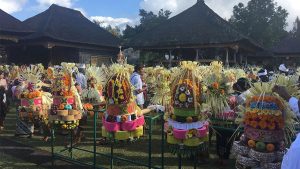
Temple ceremonies are central to Balinese spiritual life. In Sebatu, ceremonies are held regularly according to the Balinese calendar, involving prayers, offerings, music, and traditional attire.
These ceremonies are not staged events — they are sacred gatherings where the community comes together to maintain harmony between the spiritual and physical worlds. Witnessing a temple ceremony offers a profound understanding of traditional Balinese experience, rooted in devotion and collective responsibility.
Daily Offerings
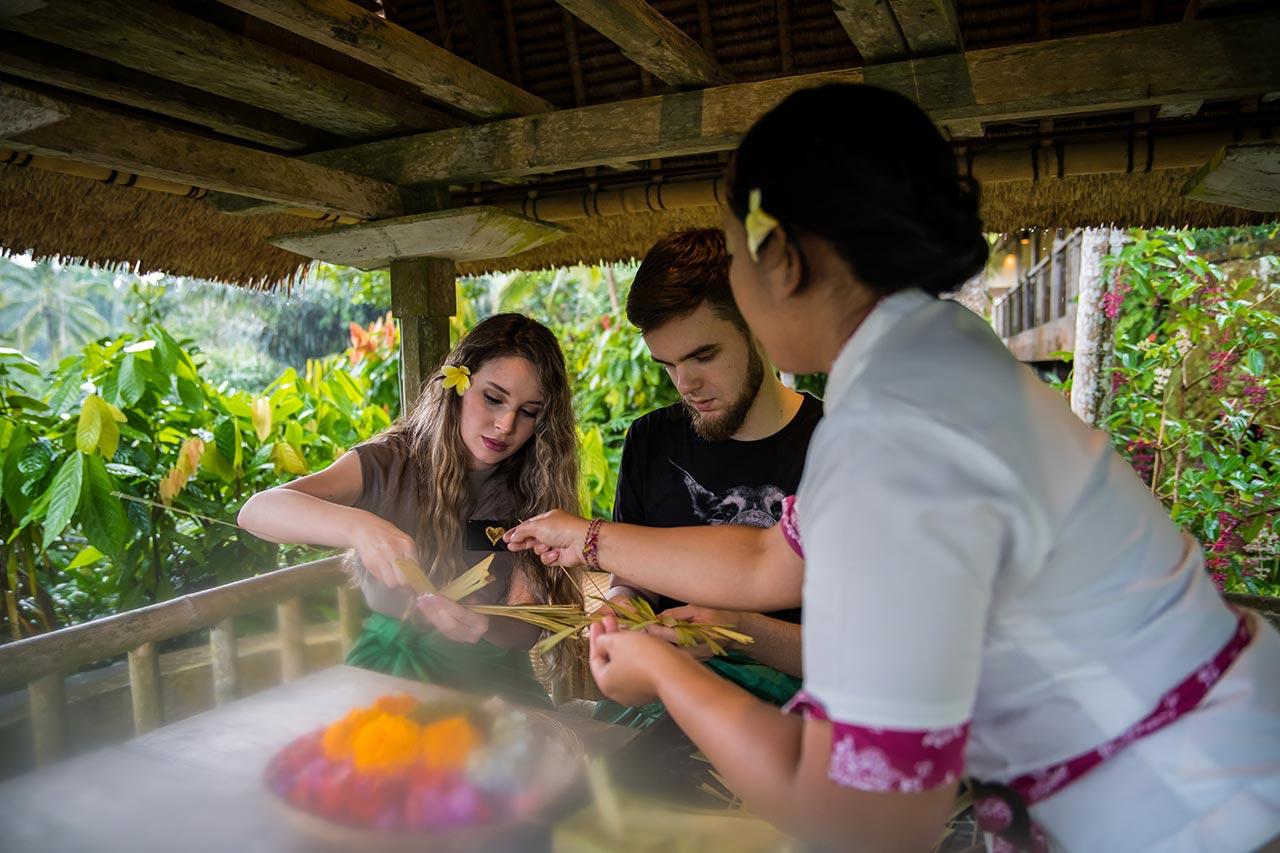
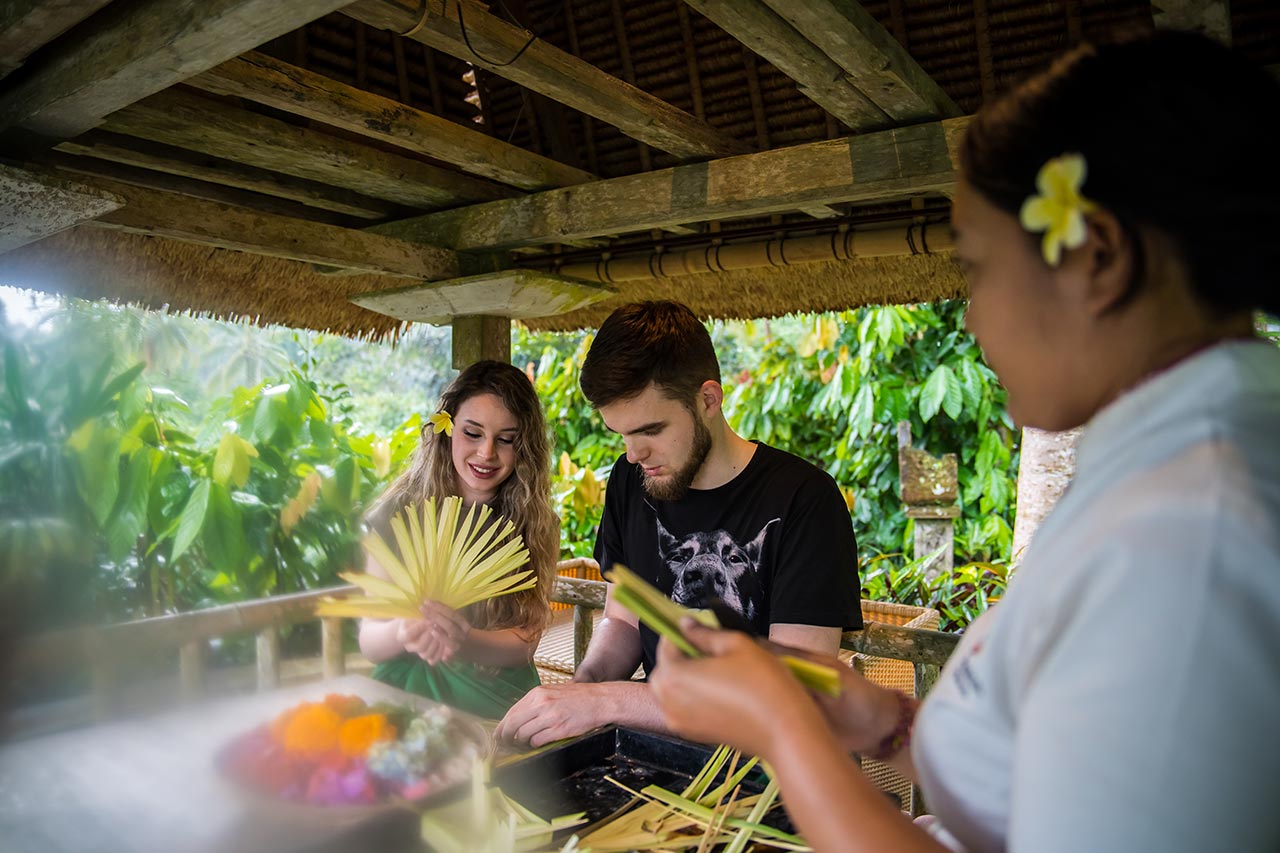
One of the most visible expressions of Balinese culture is the practice of daily offerings, known as canang sari. Each morning, offerings are carefully prepared and placed at temples, homes, and pathways as a gesture of gratitude and balance.
In Sebatu Village, this ritual is part of everyday rhythm. Observing or learning about daily offerings provides insight into the values of mindfulness, respect, and spiritual awareness that guide Balinese life.
Participating vs Observing Culture
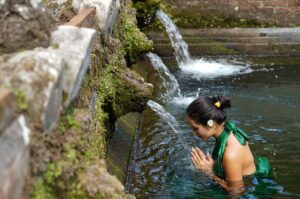
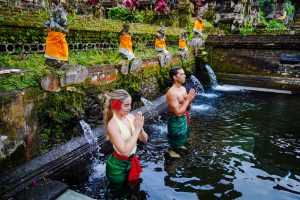
Experiencing Balinese culture is about finding the balance between participation and observation. In North Ubud, visitors are encouraged to engage gently — guided by local customs and community etiquette.
Participation may include joining village walks, learning about offerings, or attending ceremonies with proper guidance. Observation, on the other hand, allows space to reflect and appreciate traditions without intrusion.
Both approaches contribute to a deeper and more respectful authentic Balinese cultural experience, ensuring that traditions are honored rather than disrupted.

Staying Close to Balinese Traditions
To truly experience Balinese culture, staying within a village environment makes a meaningful difference. In Sebatu, travelers can immerse themselves in daily life.
Each morning begins with simple rituals such as offerings and the sound of temple bells. Later in the day, the village becomes calm and reflective. These moments allow visitors to observe the natural rhythm of Balinese life.
As a result, cultural encounters feel deeper and more personal. Instead of brief visits, travelers experience traditions as part of everyday life. Over time, culture becomes something felt rather than simply observed.
For travelers seeking an authentic cultural experience in North Ubud, Sebatu offers a rare opportunity. The village allows guests to connect with Bali’s living traditions in a peaceful and respectful setting.
In addition, cultural experiences in Sebatu are often connected to food. Shared meals create simple and meaningful moments within the community.
Guests staying nearby may also enjoy traditional flavors and plant-based dishes inspired by local ingredients at Kailasha Restaurant. Here, dining reflects the calm rhythm of village life.
Discover More Stories