Taman Beji Griya Waterfall: A Unique Holy Spring in Bali for Spiritual Cleansing and Blessing Ritual
Set within a lush landscape in Bali, Taman Beji Griya Waterfall offers a distinctive spiritual experience where flowing water, sacred surroundings, and Balinese purification traditions come together.
Located in Punggul Village, Abiansemal District, Badung Regency, Bali, Taman Beji Griya is known for its water-based purification experiences and blessing rituals. Unlike a conventional waterfall visited primarily for its scenery, this destination offers visitors an opportunity to learn about Balinese spiritual traditions through a guided ceremonial experience.
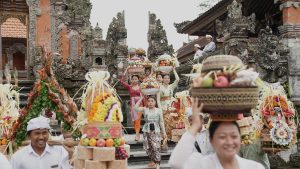
Here, visitors can discover the cultural significance of water, observe traditional practices, and participate in a purification ritual with assistance from local guides. Ceremonial offerings, including pejati, are also available at the site, helping visitors prepare for the experience.
For travellers interested in spiritual cleansing in Bali, Taman Beji Griya provides an opportunity to explore the island’s living cultural heritage. Understanding the ritual, making a reservation in advance, and following local guidance can help create a more meaningful and respectful visit.

A Sacred Waterfall Designed for Ritual
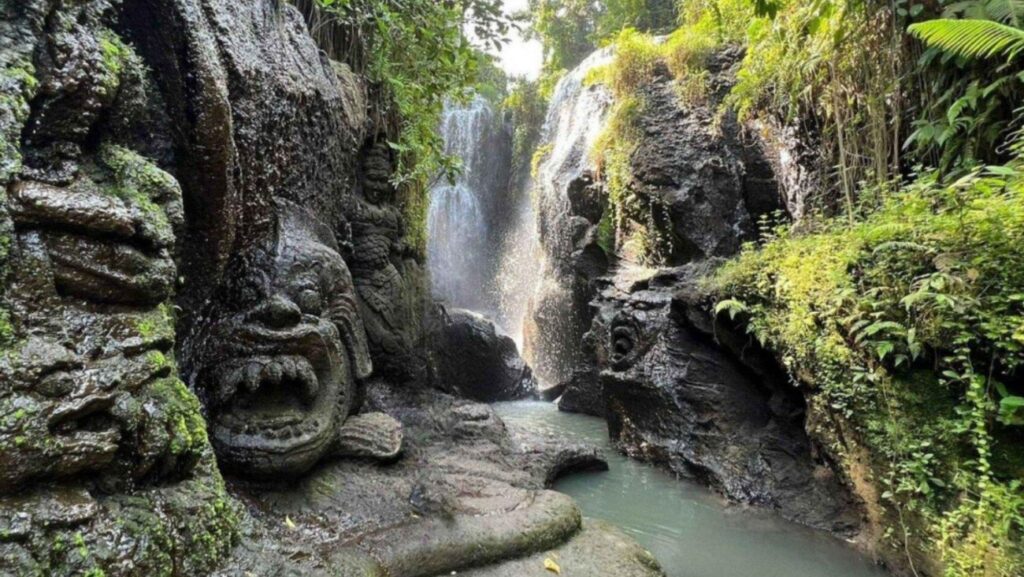
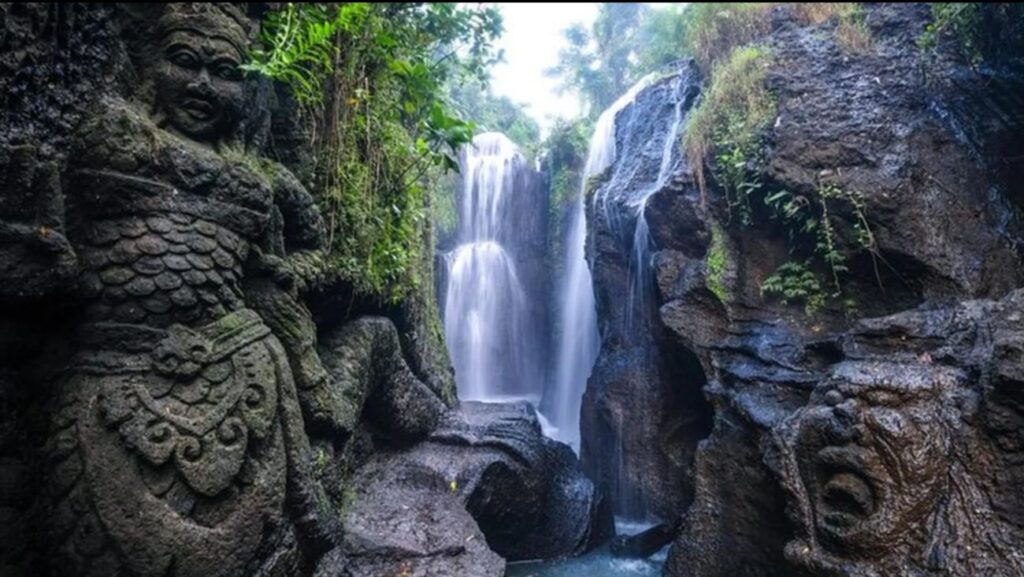
Taman Beji Griya is more than a natural waterfall. It is a spiritual destination where water features, carved stone structures, and ceremonial spaces form part of the purification experience.
Visitors may move through different areas during the ritual, following the instructions of a local guide or religious practitioner.
The experience may include:
- Stone-carved passages and distinctive architectural features.
- Flowing water used as part of the purification experience.
- Ceremonial spaces associated with prayer and blessings.
- Opportunities for quiet reflection during or after the ritual.
These elements create an environment where nature and religious practice intersect. The meaning of specific features depends on local traditions and the ceremony being performed, so visitors are encouraged to learn from their guide rather than make assumptions about their symbolism.
For international travellers, this guided approach can provide a helpful introduction to Balinese spiritual customs and the role of sacred water in religious life.
Understanding the Taman Beji Griya Purification Ritual
One of the main reasons visitors come to Taman Beji Griya Waterfall is to experience a Balinese purification and blessing ritual.
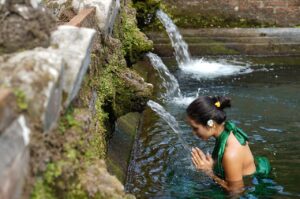
In Bali, melukat is a traditional purification practice associated with spiritual cleansing and well-being. Water holds an important place in Balinese Hindu ceremonies, where holy water, known as tirta, may be used in prayers and religious rituals.
The purification experience at Taman Beji Griya introduces visitors to these traditions through water-based ceremonial activities. Depending on the ritual arranged, participants may receive guidance, take part in prayer, and experience a blessing.
The exact sequence can vary according to the ceremony and local arrangements.
What Happens During the Purification Ritual?
Depending on the ceremony, the experience may include the following steps.
1. Preparation and guidance
Visitors receive instructions about the ceremony, appropriate behaviour, and the steps involved in the purification experience.
2. Wearing ceremonial attire
A sarong and sash may be required. Confirm with the organiser whether these are provided or whether you should bring your own.
3. Participating in water-based purification
Participants follow the guidance of the local team while taking part in the designated purification activities.
4. Prayer and blessing
Depending on the ceremony, prayer and the use of holy water may form part of the ritual.
5. Reflection
Visitors may take a quiet moment to reflect on the experience and its personal meaning.
Not every ceremony follows an identical sequence. Before visiting, confirm which activities are included in your chosen arrangement.
For first-time visitors, having the process explained beforehand can make it easier to understand the ritual and participate respectfully.
Local Guides and Pejati Offerings at Taman Beji Griya
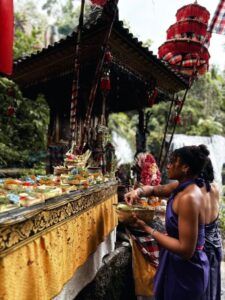 Visitors to Taman Beji Griya can receive assistance from local guides who help explain the purification process and guide participants through the experience.
For travellers who are unfamiliar with Balinese Hindu traditions, local guidance can make the ceremony easier to follow. Visitors can learn about the appropriate steps, understand what is expected, and ask questions about the experience.
Ceremonial offerings and ritual necessities, including pejati, are also available at the site.
In Balinese Hindu tradition, pejati is a type of ceremonial offering used for religious purposes. The offerings required depend on the ceremony and the customs followed by the local community.
Having access to local guides and ceremonial offerings can make planning a visit more convenient, particularly for international travellers.
Why Is Advance Reservation Recommended?
Advance reservations are recommended to secure an available time slot for the purification ritual with a local guide.
Booking beforehand allows visitors to coordinate their preferred schedule and confirm the arrangements for the ceremony. It is particularly helpful for families, groups, and travellers who plan to visit several destinations in one day.
Before confirming your visit, ask the organiser about:
- Available dates and purification time slots.
- The availability of a local guide.
- The ceremonial offerings required for your ritual.
- Whether pejati is included or charged separately.
- Applicable entrance fees and ritual costs.
- Clothing requirements and the expected duration.
By arranging these details in advance, you can arrive better prepared and focus on understanding the cultural and spiritual significance of the experience.
What Is the Meaning of Melukat in Balinese Culture?
Melukat is a Balinese purification practice associated with spiritual cleansing and well-being. It forms part of the wider role of water in Balinese Hindu religious life.
Depending on the ceremony, purification may involve holy water, prayer, spiritual preparation, and reflection. Its significance goes beyond physical cleanliness and is connected to religious beliefs and traditional practices.
The meaning of melukat can differ according to the purpose of the ritual, the individual participating, and the guidance of the religious practitioner.
At Taman Beji Griya, visitors can learn about these traditions through a guided experience involving water and ceremonial spaces.
For international travellers, participating in or learning about a purification ceremony can offer insight into a living cultural tradition. It is important to approach the experience respectfully and recognise that the ritual has religious significance for the local community.
Rather than viewing it solely as a tourist activity, visitors can use the experience as an opportunity to learn about Balinese spirituality and the relationship between water, prayer, and cultural identity.
For travellers interested in discovering more sacred water sites across the island, explore our guide to 10 Holy Springs in Bali for Spiritual Cleansing. This guide introduces other destinations associated with Balinese purification traditions and helps you discover more meaningful cultural experiences during your stay in Bali.
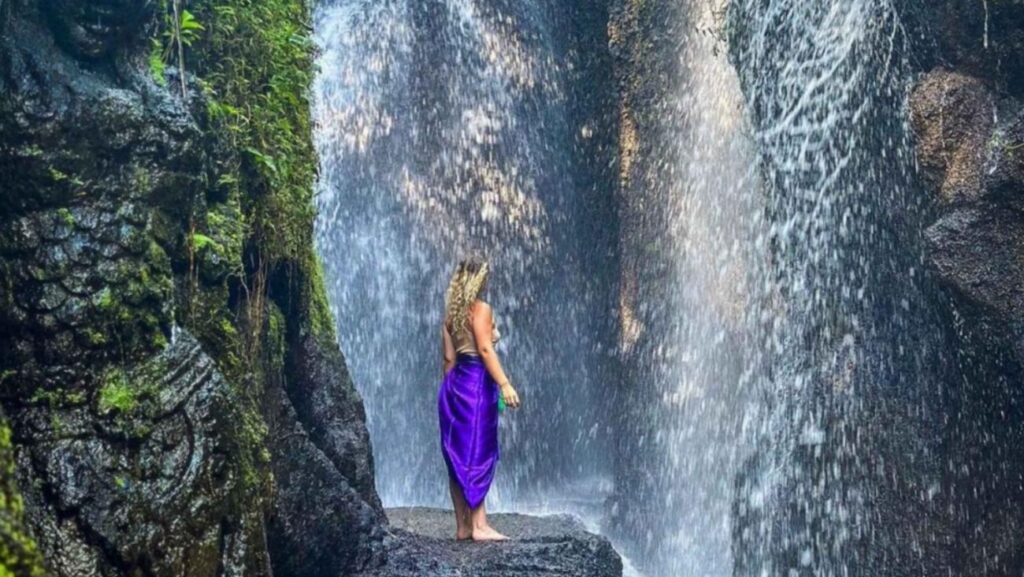
What to Expect During Your Visit
If you are planning your first visit to Taman Beji Griya Waterfall, understanding the practical arrangements can help make the experience more comfortable.
A Guided Spiritual Experience
Local guides are available to assist visitors during the purification experience. Their guidance can help you understand the sequence of activities and the customs associated with the ceremony.
Listen carefully to instructions, follow the designated route, and ask questions respectfully when appropriate.
Making a reservation in advance is recommended so that you can secure a suitable time slot.
Traditional Attire
Appropriate clothing is important when visiting a Balinese spiritual site. A sarong and sash may be required during the ceremony.
Confirm whether ceremonial attire is provided as part of your arrangement. Bringing a change of clothes is recommended because the experience involves water.
Ceremonial Offerings
Ritual offerings, including pejati, are available at Taman Beji Griya.
Ask the local organiser which offerings are required for your chosen ceremony and whether they are included in your booking. This helps you prepare appropriately while respecting local religious customs.
Walking Through Wet Areas
The site includes water features and stone surfaces that may become slippery.
Walk carefully, follow designated routes, and observe safety instructions from the local team. Wear suitable footwear for the approach and follow local guidance regarding footwear in ceremonial areas.
Allow Time for the Experience
The total time required depends on the ceremony and the arrangements made for your visit.
Allow sufficient time for preparation, changing clothes, receiving instructions, participating in the ritual, and returning to your transportation.
If you plan to visit other attractions on the same day, confirm the expected duration with the organiser before finalising your itinerary.
Why Visit Taman Beji Griya Waterfall?
Taman Beji Griya appeals to travellers who want to discover a different side of Bali beyond beaches, shopping streets, and conventional sightseeing.
The destination combines a distinctive natural setting with an opportunity to learn about spiritual practices that remain important in Balinese culture.
Visitors may appreciate the experience for several reasons:
- Cultural understanding: Learn about Balinese purification traditions and the religious significance of water.
- Local guidance: Receive assistance from local guides during the ritual.
- A distinctive setting: Experience water features and carved stone surroundings associated with the ceremonial environment.
- Spiritual reflection: Take time to reflect in a setting connected with prayer and purification.
- Meaningful travel: Explore an aspect of Balinese heritage through a locally guided experience.
The experience is particularly relevant for travellers who value cultural learning and wish to approach local traditions with curiosity and respect.
Where Is Taman Beji Griya Waterfall?
Taman Beji Griya Waterfall is located in Punggul Village, Abiansemal District, Badung Regency, Bali, Indonesia.
Although the destination is often included in itineraries for travellers staying around Ubud, it is not located in central Ubud. Travel time varies depending on your starting point, traffic, and road conditions.
Visitors staying in Ubud or surrounding areas can arrange transportation as part of a day trip.
A private driver can be convenient if you wish to combine Taman Beji Griya with other cultural destinations. If you are travelling from another part of Bali, check the route in advance and allow extra time for traffic.
What Is the Best Time to Visit Taman Beji Griya?
Morning can be a practical time to plan a purification experience, especially if you wish to continue exploring Bali afterwards.
However, the most suitable time depends on the site’s schedule and the availability of the ceremony you wish to join.
Advance reservations are recommended to secure an available purification time slot with a local guide.
Before your visit, confirm the following details:
- Available ceremony times.
- Reservation requirements.
- The expected duration of the experience.
- Current entrance or ritual fees.
- Availability and cost of ceremonial offerings.
- Clothing requirements and facilities.
Checking these details directly with the local organiser helps ensure that your plans reflect the current arrangements.
Practical Travel Tips for Visiting Taman Beji Griya
A little preparation can help you focus on the cultural experience rather than the logistics.
What to Bring
- A change of clothes.
- A towel and a bag for wet items.
- Suitable footwear for walking around wet areas.
- Personal essentials for the duration of your visit.
What to Remember
- Reserve in advance: Secure a suitable time slot for the purification ritual with a local guide.
- Check your attire: Confirm whether a sarong and sash are provided.
- Ask about offerings: Check which ceremonial offerings are required and whether pejati is included.
- Respect local customs: Follow the guidance provided in sacred areas.
- Ask before taking photographs: Respect the privacy of religious practitioners and other participants.
- Prioritise safety: Take care on wet surfaces and stay on designated paths.
- Plan your transportation: Allow enough time for travel and the ceremony.
Confirming the arrangements beforehand helps you prepare for the experience and reduces uncertainty on the day of your visit.
Exploring Bali Beyond Taman Beji Griya Waterfall
Bali offers many ways to discover its spiritual heritage, from sacred water sites and temples to village traditions and local cultural activities.
A visit to Taman Beji Griya introduces one aspect of Balinese purification practices. Travellers interested in learning more about the island’s cultural landscape can also explore other sacred sites and community experiences.
In Sebatu, near Ubud, visitors can discover another side of Balinese culture through village traditions, local craftsmanship, and spiritual sites connected with the surrounding community.
Exploring different destinations offers a broader perspective on Bali’s cultural diversity while allowing visitors to appreciate the distinctive character of each place.
Frequently Asked Questions About Taman Beji Griya Waterfall
What is Taman Beji Griya Waterfall known for?
Taman Beji Griya in Punggul Village, Badung, Bali, is known for its water-based purification experiences, sacred surroundings, and guided blessing rituals associated with Balinese spiritual traditions.
Is Taman Beji Griya a holy spring or a waterfall?
Taman Beji Griya is commonly known as a waterfall destination and is also associated with sacred-water and purification practices. Visitors come for both its distinctive setting and its ritual experiences.
What is the purification ritual at Taman Beji Griya?
Depending on the ceremony, the experience may include traditional attire, prayer, guidance from a local guide or religious practitioner, water-based purification, and a blessing. The exact sequence depends on the ritual arranged.
What does melukat mean in Bali?
Melukat is a Balinese purification practice associated with spiritual cleansing and well-being. It may involve holy water and prayer, with the ceremony guided by local religious traditions.
Do I need to make a reservation for the Taman Beji Griya purification ritual?
Yes, advance reservations are recommended to secure an available time slot for the purification ritual with a local guide. Contact the local organiser before visiting to confirm availability and arrangements.
Are local guides available at Taman Beji Griya?
Yes, local guides are available to assist visitors during the purification experience. Booking in advance is recommended to secure a suitable time slot.
Are ceremonial offerings available at Taman Beji Griya?
Yes, ceremonial offerings and ritual necessities, including pejati, are available at the site. Confirm which offerings are required for your ceremony and whether they are included in your booking.
What should I wear for the purification ritual?
A sarong and sash may be required. Confirm whether ceremonial attire is provided, and bring a change of clothes and a towel because the experience involves water.
How long does a visit to Taman Beji Griya take?
The duration depends on the ceremony and arrangements. Allow time for preparation, the ritual, changing clothes, and transportation. Confirm the expected duration when making your reservation.
Is Taman Beji Griya suitable for international visitors?
It can be suitable for international visitors interested in Balinese culture and spirituality. Local guides can help visitors understand the process, while respecting the religious significance of the ceremony remains essential.
Where is Taman Beji Griya Waterfall located?
The site is in Punggul Village, Abiansemal District, Badung Regency, Bali, Indonesia. Travel time from Ubud varies according to traffic and your starting point.
Can I take photographs during the ritual?
Photography rules may vary by area and ceremony. Ask permission before photographing religious practitioners, local residents, or other participants, and follow any restrictions communicated by the organiser.
What should I know before visiting Taman Beji Griya?
Reserve in advance to secure a time slot with a local guide. Confirm the ceremony schedule, fees, attire requirements, availability of pejati and other offerings, expected duration, and transportation arrangements.
Experience Puri Gangga Resort
After discovering the spiritual traditions of Taman Beji Griya Waterfall, travellers can continue exploring Bali through the cultural experiences and peaceful surroundings of Sebatu Village, near Ubud.
At Puri Gangga Resort, the natural landscape and connection to Balinese culture create a welcoming setting for travellers who want to balance sightseeing with relaxation and meaningful encounters.
Through Sebatu Village Life, guests can discover local customs, traditional crafts, and village activities that provide insight into the cultural rhythms of the community.
For moments of relaxation, Dewi Gangga Spa offers treatments inspired by traditional wellness practices. At Kailasha Restaurant, guests can enjoy Balinese and Indonesian flavours in a setting connected to local culture.
Travellers who wish to discover more of the region can explore Gangga Experience, which brings together cultural activities and opportunities to learn about Bali beyond its familiar tourist attractions.
From the sacred waters of Taman Beji Griya to the traditions of Sebatu Village, each destination offers a different way to appreciate the island’s cultural heritage.
Plan your stay and cultural experience:
- Email: reservation@puriganggaresort.com
- Reservations: Book your stay at Puri Gangga Resort
- Experiences: Explore Gangga Experience
Discover More Stories