Tirta Empul Temple: A Guide to Spiritual Cleansing in Bali
Introduction
In Bali, spirituality is not reserved for temples—it flows through daily life, offerings, and rituals that connect people to nature and the divine. Among the island’s most profound experiences is the sacred water purification ritual at Tirta Empul Temple in Tampaksiring.
For travelers seeking more than sightseeing, this ancient holy spring offers a rare opportunity: to participate in a centuries-old cleansing ritual known as melukat. It is not simply a cultural attraction—it is a deeply personal journey into Balinese spirituality.
The Sacred Waters of Tirta Empul
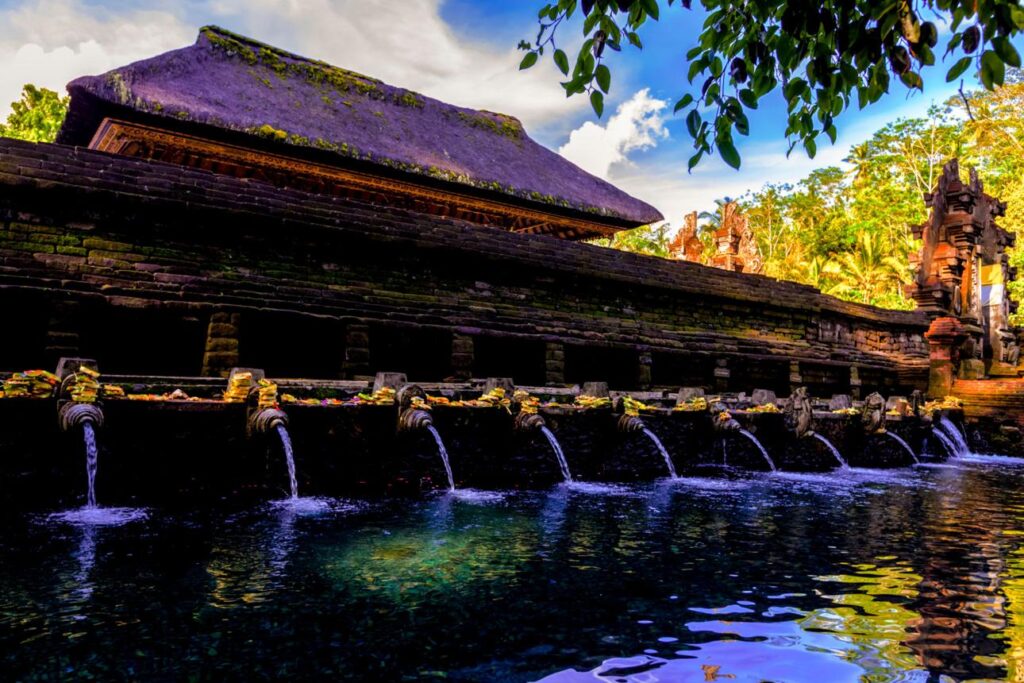
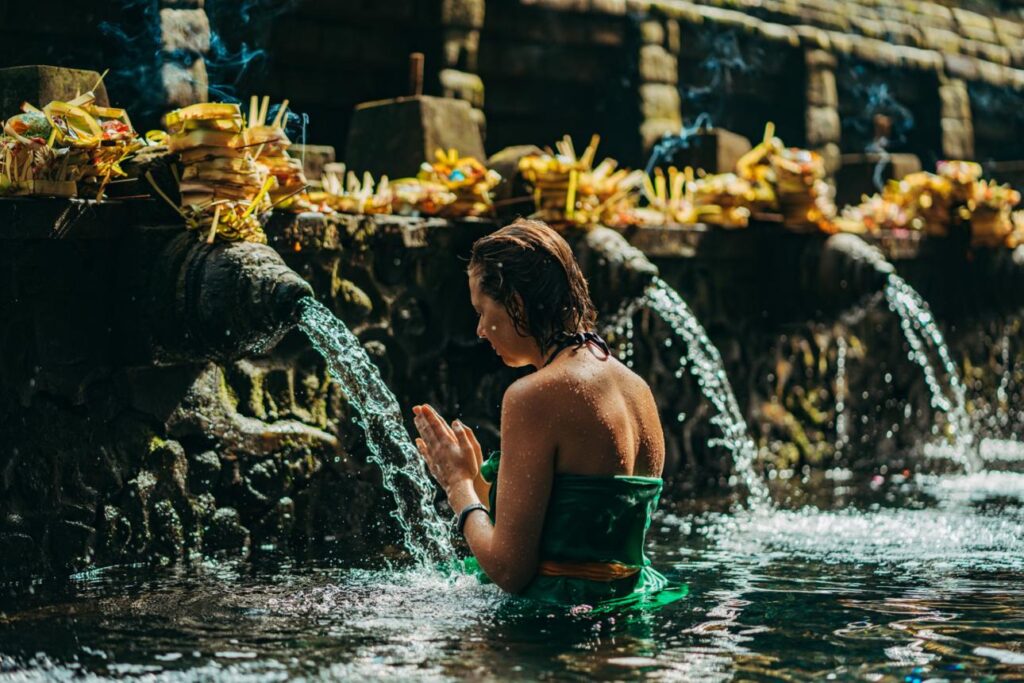
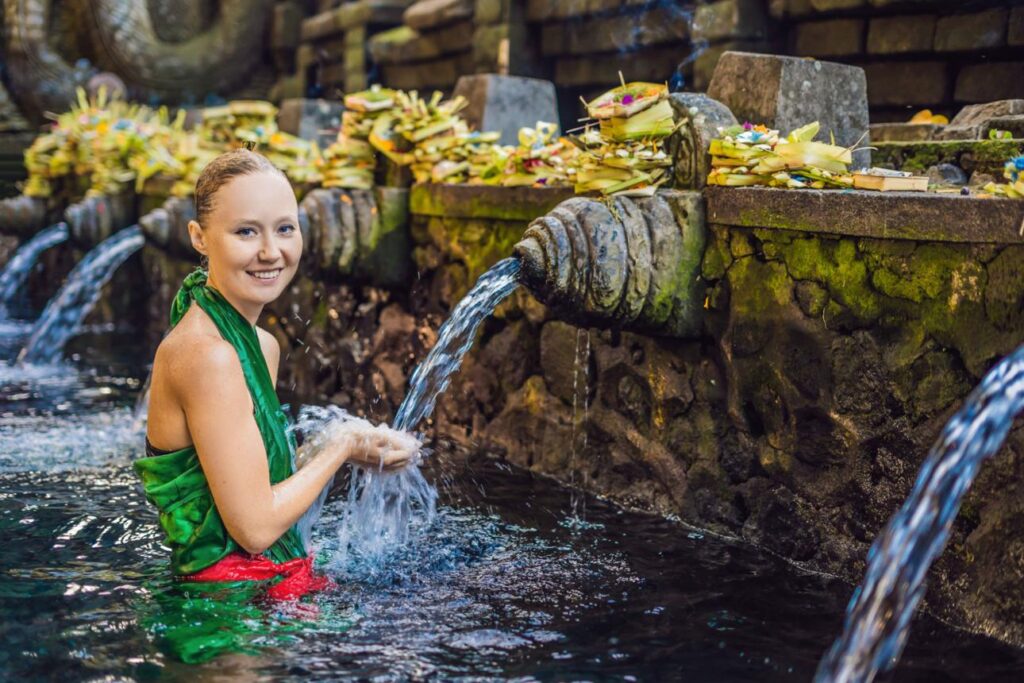
Founded in 962 AD, Tirta Empul Temple is one of Bali’s most important water temples. Its name translates to “holy spring,” referring to the natural water source that feeds its purification pools.
The temple complex is structured around three main areas:
- Jaba Pura (outer courtyard) – entrance and preparation space
- Jaba Tengah (central courtyard) – home to the purification pools
- Jeroan (inner sanctum) – reserved for prayer and offerings
The most iconic feature is the row of stone fountains where visitors and locals alike take part in ritual bathing. Each spout is believed to carry a specific spiritual purpose—from cleansing negative energy to restoring clarity and balance.
Understanding the Melukat Ritual
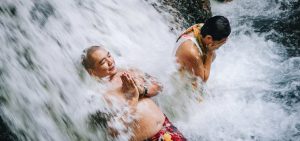
The purification ritual, known as melukat, is an essential part of Balinese Hindu practice. It is performed to cleanse the body, mind, and spirit from unseen negative influences.
The process typically follows a sequence:
- Preparation – Wearing a sarong and sash, often provided at the temple
- Offering (Canang Sari) – A small symbolic offering to seek permission
- Prayer – Setting intention before entering the water
- Purification – Moving from one fountain to the next, washing face and head
- Closing prayer – Expressing gratitude
Each fountain is approached mindfully. Some are traditionally skipped, as they are reserved for specific rites, such as funerary purification.
Participating respectfully is essential—it is not a performance, but a sacred act.
Practical Guide to Visiting Tirta Empul
To fully experience Tirta Empul, timing and preparation matter.
Best time to visit:
Early morning (before 9 AM) or late afternoon to avoid crowds
What to bring:
- Change of clothes
- Towel
- Small cash donation
- Waterproof bag
Dress code:
A sarong and sash are mandatory (usually included with entry)
Entrance fee:
Typically around IDR 50,000–75,000 (subject to change)
It’s also worth combining your visit with nearby sites like Gunung Kawi Temple, known for its ancient rock-cut shrines.
Local Insight: Spiritual Life in Tampaksiring
Tampaksiring is more than a destination—it is a living cultural landscape. Villagers still visit Tirta Empul regularly for ceremonies tied to the Balinese calendar.
Unlike more commercial areas of Bali, this region retains a slower rhythm. Offerings line the pathways, incense lingers in the air, and rituals unfold quietly in daily life.
Understanding this context transforms your visit. You are not just observing a ritual—you are stepping into a spiritual ecosystem that has remained intact for centuries.
Why Stay in This Area
Staying near Tampaksiring allows you to experience Bali beyond the surface. The mornings are quieter, the air cooler, and the connection to nature more immediate.
Just a short drive away, Puri Gangga Resort in Sebatu, Ubud offers a setting that mirrors the spiritual essence of the region. Surrounded by rice fields and traditional villages, it provides a peaceful base to explore sacred sites like Tirta Empul without the rush of central Ubud.
Practical Travel Tips
- Visit after a light breakfast—ritual bathing can be physically refreshing but also energizing
- Observe locals before entering the water to understand the flow
- Avoid rushing—this is not a checklist activity
- Respect temple rules, especially in sacred inner areas
- Consider hiring a local guide for deeper cultural insight
Experience Puri Gangga Resort
After a morning of purification at Tirta Empul, returning to a place that honors the same philosophy of balance and harmony deepens the experience.
At Puri Gangga Resort in Sebatu, the connection to spiritual well-being continues naturally. You may find yourself drawn to the calming rituals at Dewi Gangga Spa, where traditional healing techniques echo the essence of melukat. Or perhaps a gentle yoga session overlooking rice fields, allowing the body to integrate the morning’s cleansing.
Dining at Kailasha Restaurant becomes more than a meal—it’s a sensory continuation of your journey, with locally inspired dishes crafted with care.
For those curious to explore further, curated activities through the Gangga Experience offer insight into village life, temple traditions, and daily rituals that shape Balinese culture.
To begin your stay or learn more:
- Contact: reservation@puriganggaresort.com
- Booking: https://puriganggaresort.com/book
- Experiences: https://booking.puriganggaresort.com
Frequently Asked Questions
Can tourists participate in the Tirta Empul purification ritual?
Yes, visitors are welcome to participate, as long as they respect the ritual process and dress code.
Is Tirta Empul suitable for first-time visitors to Bali?
Absolutely. It offers one of the most accessible and meaningful introductions to Balinese spirituality.
How long does the purification ritual take?
Typically 30 minutes to an hour, depending on crowd levels and personal pace.
Are there rules about which fountains to use?
Yes, some fountains are reserved for specific ceremonies. It’s best to follow local guidance or observe others.
What is the best time of year to visit Tirta Empul?
The temple can be visited year-round, but mornings in the dry season (April–October) offer the most comfortable experience.
Discover More Stories