Kuningan in Bali: Honoring Ancestors and Divine Blessings
Ten days after Galungan, Bali celebrates Kuningan, one of the most sacred and meaningful festivals in Balinese Hinduism. While Galungan commemorates the victory of Dharma over Adharma and welcomes ancestral spirits to the earthly realm, Kuningan marks the conclusion of this spiritual journey.
For Balinese Hindus, Kuningan is a time to honor ancestors, express gratitude for divine blessings, and seek guidance for the future. Across the island, families gather in prayer, prepare special offerings, and participate in ceremonies that reflect Bali’s enduring spiritual traditions.
Kuningan serves as a reminder of the importance of gratitude, wisdom, and harmony in everyday life.

What is Kuningan?
Kuningan is celebrated ten days after Galungan and marks the return of ancestral spirits to the spiritual realm.
According to Balinese Hindu belief, ancestors who descended to earth during Galungan return to heaven on Kuningan Day. Families offer prayers and ceremonial offerings to express gratitude for the blessings and protection received during their visit.
This sacred day emphasizes the connection between the human world and the divine, while reinforcing the importance of honoring family ancestors.
The Meaning of Kuningan
The name Kuningan is associated with the color yellow, which symbolizes prosperity, wisdom, purity, and divine blessings in Balinese Hindu tradition.
Yellow rice plays an important role in Kuningan offerings and represents gratitude for abundance and spiritual prosperity.
More than a ceremonial celebration, Kuningan encourages individuals to reflect on the blessings they have received and to continue living according to the values of Dharma.

Traditional Offerings During Kuningan
Offerings are an essential part of Kuningan celebrations.
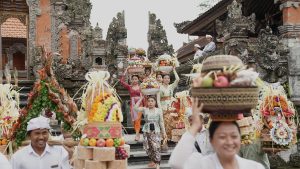
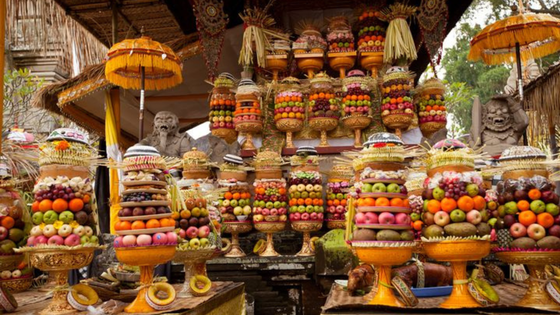
Families prepare a variety of ceremonial offerings that are carefully arranged and presented at family temples and sacred shrines.
These offerings often include:
- Yellow rice
- Fresh fruits
- Traditional cakes
- Flowers and incense
- Canang sari
Special ceremonial decorations such as tamiang and endongan are also prepared. These sacred symbols represent protection, prosperity, and guidance throughout life’s journey.
Kuningan Day Ceremonies
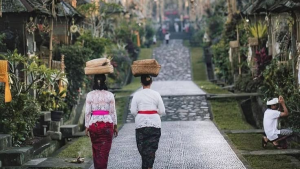
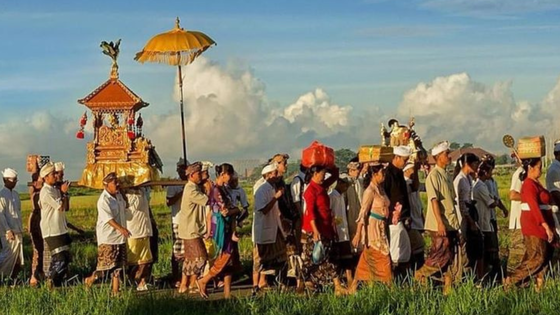
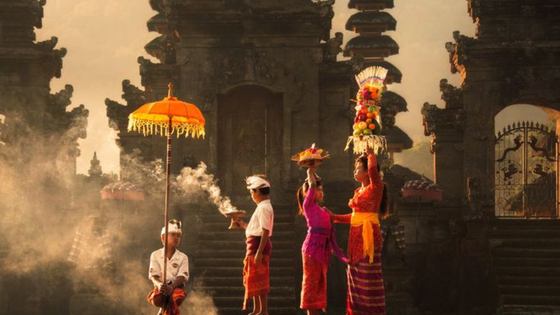
On Kuningan Day, Balinese Hindus gather with their families to pray at household shrines, family temples, and community temples.
Dressed in traditional Balinese attire, participants offer prayers for prosperity, protection, health, and spiritual well-being.
The atmosphere throughout Bali becomes peaceful and reflective as communities gather to express gratitude and honor their ancestors.
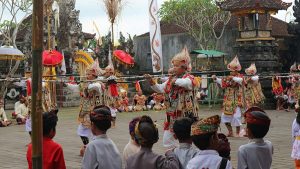
Temples are filled with colorful offerings and sacred rituals that have been preserved for generations.
The Connection Between Galungan and Kuningan
Galungan and Kuningan are closely connected and form a single sacred cycle within the Balinese Hindu calendar.
Galungan celebrates the victory of Dharma over Adharma and welcomes ancestral spirits to the earthly realm.
Kuningan concludes this sacred period by marking the return of ancestral spirits to the spiritual realm.
Together, these celebrations remind individuals of the importance of faith, gratitude, family unity, and spiritual balance.
Symbols of Kuningan
Several important symbols are associated with Kuningan.
-
Yellow Rice
Represents prosperity, blessings, and gratitude.
-
Tamiang
Symbolizes protection and spiritual balance.
-
Endongan
Represents provisions and blessings for life’s journey.
-
Sacred Offerings
Express devotion, gratitude, and respect toward ancestors and divine beings.
These symbols reflect the spiritual values that continue to guide Balinese life today.
Experiencing Kuningan in Bali
For travelers, Kuningan offers a unique opportunity to witness one of Bali’s most meaningful cultural celebrations.
The island’s temples become centers of worship, families gather for ceremonies, and traditional offerings decorate homes and sacred spaces throughout Bali.
Unlike larger public festivals, Kuningan often feels more intimate and reflective, allowing visitors to experience a deeper side of Balinese spirituality and family traditions.
Frequently Asked Questions
What is Kuningan in Bali?
Kuningan is a sacred Balinese Hindu festival celebrated ten days after Galungan, marking the return of ancestral spirits to the spiritual realm.
What does Kuningan symbolize?
Kuningan symbolizes gratitude, wisdom, prosperity, divine blessings, and spiritual balance.
Why is yellow important during Kuningan?
Yellow represents prosperity, holiness, wisdom, and divine blessings in Balinese Hindu tradition.
What is the relationship between Galungan and Kuningan?
Galungan marks the arrival of ancestral spirits, while Kuningan marks their return to the spiritual realm.
Is Kuningan a good time to experience Balinese culture?
Yes. Kuningan offers visitors a unique opportunity to witness authentic Balinese religious traditions, family ceremonies, and spiritual practices.
Experience Puri Gangga Resort
At Puri Gangga Resort in Sebatu, Ubud, guests are invited to experience Bali beyond its landscapes — through spirituality, culture, and meaningful connection.
Surrounded by peaceful rice fields and village life, the resort offers opportunities to discover authentic Balinese traditions through wellness experiences, cultural activities, and sacred ceremonies that remain part of everyday life.
Guests can enjoy restorative treatments at Dewi Gangga Spa, explore cultural journeys through Gangga Experience and Sebatu Village Life, or savor Indonesian and Balinese flavors at Kailasha Restaurant.
For travelers seeking tranquility, spirituality, and authentic cultural immersion, Puri Gangga Resort offers a refined experience rooted in the essence of Bali.
Contact: reservation@puriganggaresort.com
Booking: https://puriganggaresort.com/book
Experiences: https://booking.puriganggaresort.com
Discover More Stories