10 Holy Springs in Bali for Spiritual Cleansing and Cultural Insight
Across Bali, water is more than a natural element—it is sacred. Flowing from volcanic mountains through temples and jungle landscapes, holy springs (tirta) are central to Balinese spiritual life.
For travelers seeking meaningful experiences, visiting these sacred sites offers a deeper connection to the island’s traditions. Beyond the well-known temples, Bali holds many hidden springs where rituals continue quietly, shaped by centuries of devotion.
This guide explores ten of the most significant holy springs in Bali, each offering a unique atmosphere for reflection, purification, and cultural understanding.
1. Tirta Empul Temple (Tampaksiring)

Tirta Empul Temple is widely recognized as the most famous holy spring in Bali, attracting both locals and visitors who come to take part in the traditional melukat purification ritual. The temple’s sacred pools are fed by a natural spring, with water flowing continuously through a series of carved stone fountains. Each fountain is used in a specific sequence, representing different forms of spiritual cleansing.
Despite its popularity, the experience remains deeply meaningful when approached with respect. Early morning visits allow for a more peaceful atmosphere, where you can observe or participate in rituals guided by local customs. The temple’s historical significance and spiritual energy make it an essential stop for understanding Balinese Hindu traditions.
2. Gunung Kawi Sebatu Temple (Sebatu)

Gunung Kawi Sebatu Temple offers a quieter alternative to more crowded purification sites, making it ideal for travelers seeking calm and reflection. The temple is surrounded by lush tropical gardens, koi ponds, and gentle flowing water, creating an environment that feels naturally meditative.
The spring here is used for purification, but the atmosphere encourages a slower, more introspective experience. Without large crowds, visitors can take time to connect with the surroundings, listen to the sounds of nature, and observe local rituals in a more intimate setting.
3. Pura Mengening (Tampaksiring)
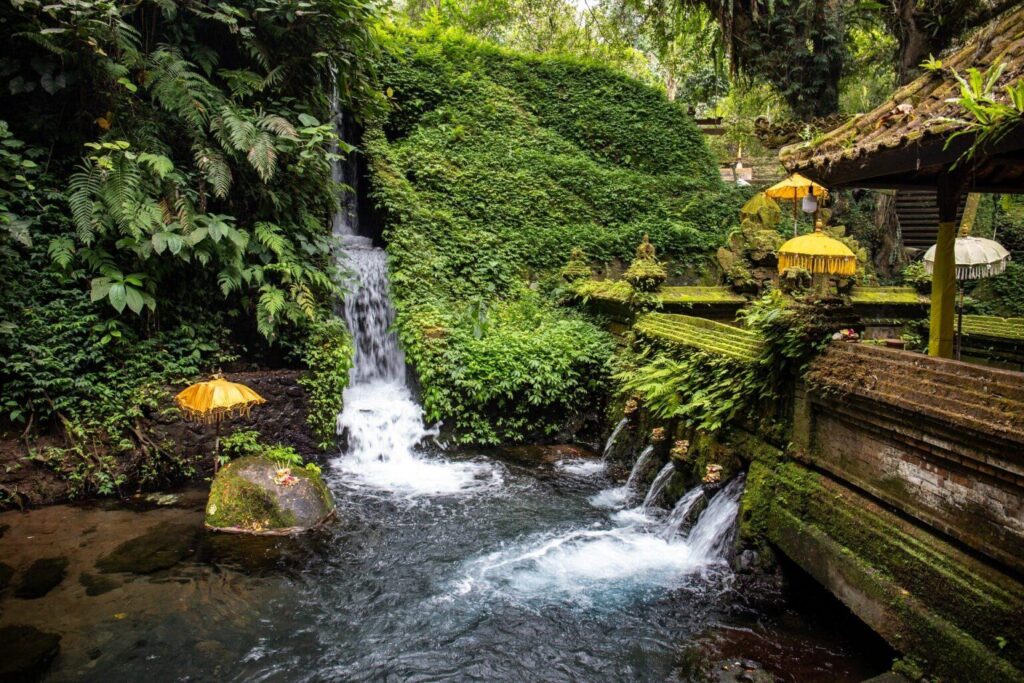
Pura Mengening is often considered one of Bali’s hidden gems, located just a short distance from Tirta Empul yet far less crowded. The temple features several purification pools fed by natural springs, each used for different stages of cleansing rituals.
Its peaceful surroundings and authentic atmosphere make it a preferred choice for those looking to avoid tourist-heavy locations. Here, rituals feel more personal and connected to local tradition, allowing visitors to experience Balinese spirituality in a more genuine way.
4. Goa Raja Waterfall Spring (Tegallalang)
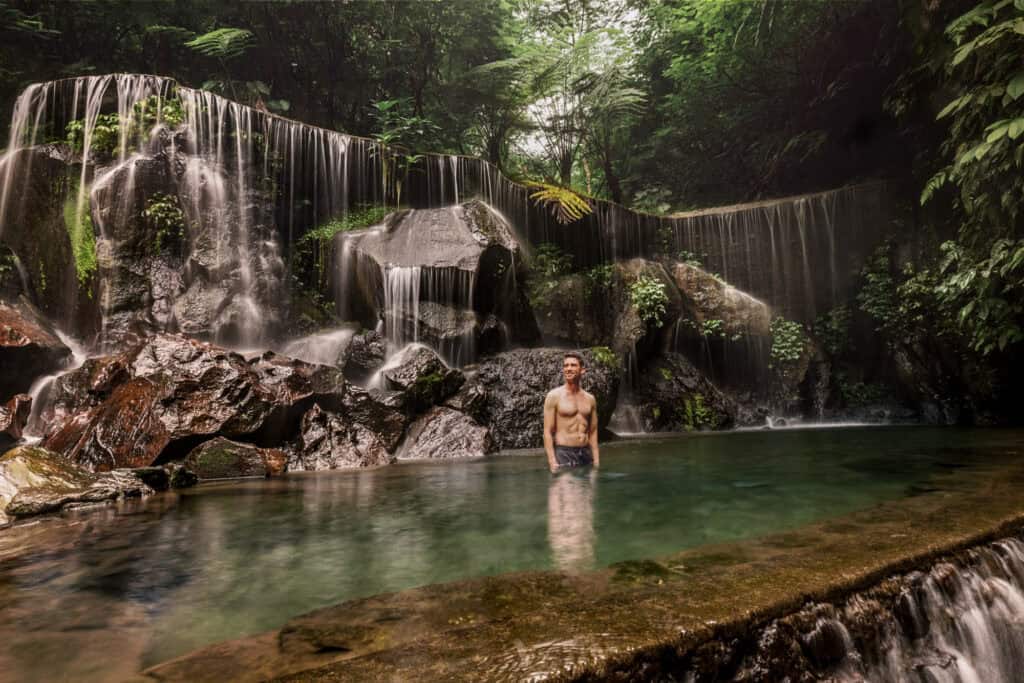
Goa Raja Waterfall combines natural beauty with spiritual significance, offering a unique purification experience within a cave and waterfall setting. The flowing water and enclosed rock formations create a powerful atmosphere often associated with renewal and transformation.
Visitors are drawn here not only for its scenic beauty but also for its energy, which feels deeply connected to nature. The journey to the site adds to its appeal, making it ideal for those who want to combine light adventure with spiritual exploration.
5. Pura Tirta Sudamala (Bangli)

Pura Tirta Sudamala is known for its calm atmosphere and crystal-clear spring water, making it a meaningful place for purification rituals. The temple is regularly visited by locals who come to cleanse both physically and spiritually.
Unlike more commercialized sites, the experience here feels grounded in tradition. The quiet setting allows visitors to observe rituals respectfully, offering insight into how deeply spiritual practices are woven into everyday life in Bali.
6. Taman Beji Griya Waterfall (Badung)

Taman Beji Griya Waterfall offers a more structured purification experience, often guided by local practitioners who explain each step of the ritual. The site features waterfalls, caves, and sacred water points, creating a dramatic and immersive environment.
This combination of natural elements and guided ceremonies makes it especially accessible for first-time visitors. It allows guests to engage more deeply with the meaning behind each ritual while still enjoying the beauty of the surroundings.
7. Pura Luhur Tamba Waras (Tabanan)
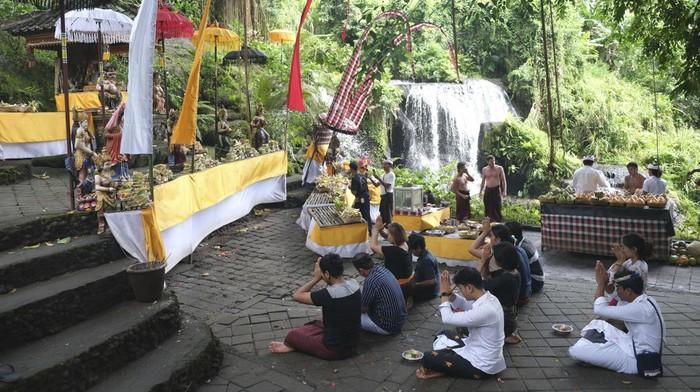
Pura Luhur Tamba Waras is closely associated with healing, both physical and spiritual. Many locals visit this temple to seek relief from illness or imbalance, believing the water carries restorative energy.
The temple’s atmosphere reflects this purpose, with a strong sense of devotion and quiet focus. Visitors are encouraged to approach with respect, as rituals here often carry deeply personal significance for those who come to pray and heal.
8. Pura Tirta Taman Mumbul (Sangeh)

Pura Tirta Taman Mumbul features wide, open pools that are used for ceremonial bathing and purification rituals. The spacious layout creates a calm environment, allowing visitors to experience the rituals without feeling rushed.
Its tranquil setting makes it ideal for reflection, especially for those who prefer a less crowded and more contemplative atmosphere. The surrounding greenery enhances the sense of peace, making it a relaxing place to connect with Balinese culture.
9. Yeh Sanih Natural Spring (Buleleng)

Yeh Sanih Natural Spring is one of the largest freshwater springs in Bali and plays an important role in the daily lives of local communities. Unlike temple-based springs, it is more recreational while still maintaining cultural significance.
The expansive pools and natural setting make it a refreshing place to visit, especially in the northern part of the island. While it is less focused on ritual, it still reflects Bali’s deep relationship with water as a vital and sacred resource.
10. Pura Dalem Pingit Sebatu (Sebatu)

Pura Dalem Pingit Sebatu is a lesser-known temple that offers a deeply personal purification experience. Tucked away in a village setting, it remains largely untouched by tourism, preserving its authenticity.
The quiet atmosphere allows visitors to engage with the space in a more meaningful way. Rituals here feel intimate and closely tied to the local community, making it an ideal place for those seeking a genuine spiritual connection.
Supporting Guide: Choosing the Right Holy Spring
Each spring offers a different experience:
For first-time visitors: Tirta Empul
For quiet reflection: Gunung Kawi Sebatu or Pura Mengening
For nature immersion: Goa Raja or Taman Beji Griya
For healing focus: Tamba Waras
Choosing the right place depends on your intention whether cultural curiosity, spiritual exploration, or personal renewal.
Local Insight: The Role of Water in Balinese Culture
In Bali, holy water (tirta) is believed to carry divine energy. It is used in daily offerings, temple ceremonies, and life rituals.
This deep reverence explains why so many springs are protected within temple grounds. They are not simply natural resources, but sacred connections between the seen and unseen worlds.
Why Stay in Sebatu, Ubud
Sebatu offers proximity to several of Bali’s most and authentic holy springs. Unlike busier areas, it allows you to experience these sacred places with a sense of calm and continuity.
At Puri Gangga Resort in Sebatu, Ubud, this connection is woven into the surrounding landscape. The resort’s location makes it easy to access temples like Gunung Kawi Sebatu and Pura Mengening, while still enjoying a tranquil retreat.
Staying here allows you to approach these experiences slowly—without rushing between crowded attractions.
Practical Travel Tips
- Visit early morning for a more peaceful atmosphere
- Always wear a sarong and sash inside temple grounds
- Follow local guidance during rituals
- Avoid loud or disruptive behavior
- Respect photography boundaries
Experience Puri Gangga Resort
Experiencing Bali’s holy springs often opens the door to a deeper sense of awareness—something that naturally extends into how you spend the rest of your stay.
At Puri Gangga Resort, this journey continues through thoughtfully curated experiences. Guests can take part in Sebatu Village Life, offering insight into daily rituals and local traditions, or explore surrounding temples through the Gangga Experience.
For deeper restoration, the Dewi Gangga Spa provides treatments inspired by traditional healing practices, creating space for balance and renewal after your purification journey.
Dining at Kailasha Restaurant reflects the same philosophy—grounded, seasonal, and connected to the land.
Plan your stay:
Contact: resevation@puriganggaresort
Booking: https://puriganggaresort.com/book/
Experiences: https://booking.puriganggaresort.com
Frequently Asked Questions
What is the most famous holy spring in Bali?
Tirta Empul Temple is the most well-known, famous for its purification fountains and historical significance.
Are all holy springs in Bali open to tourists?
Most are open, but some require guidance or are reserved for specific ceremonies.
Do I need a guide for a purification ritual?
Not always, but having a local guide can enhance understanding and ensure proper etiquette.
What should I wear to a holy spring temple?
A sarong and sash are required, and modest dress is expected.
Can I visit multiple holy springs in one day?
Yes, especially around Ubud and Sebatu, where several temples are located close to each other.
Discover More Stories